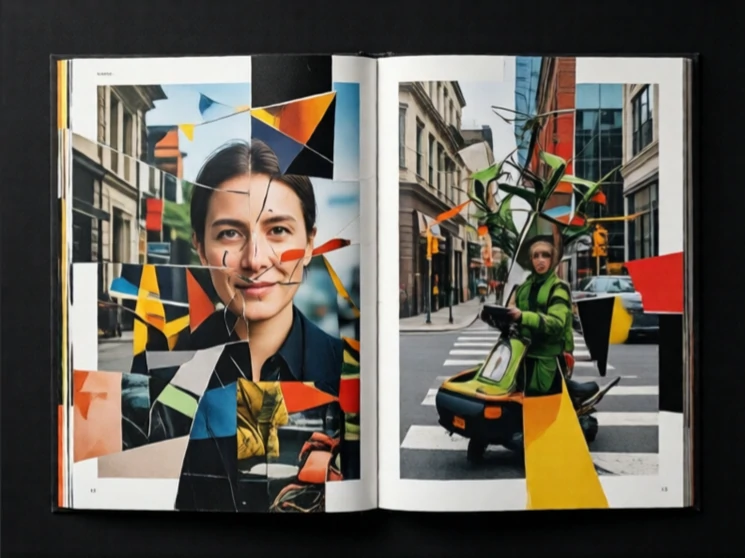
Postmodernism in literature is marked by fragmentation, paradox, unreliable narration, intertextuality, and a skepticism toward grand narratives and stable meaning. It rose to prominence in the mid-to-late twentieth century.
Writers associated with the mode—Pynchon, Barth, Calvino, Rushdie, and many others—play with form, mix high and low culture, and often make the artificiality of storytelling visible. Linear plots give way to collage, pastiche, and self-reference. The reader is frequently reminded that the text is a constructed object rather than a transparent window onto reality. Irony, parody, and black humor are common tonal registers.
Postmodernism reacts against the formal ambitions and residual humanism of high modernism while also extending some of its experimental impulses. Critics debate whether it is a coherent movement or a loose cluster of tendencies. Its techniques have become widely available, so that elements once considered radical now appear in mainstream fiction and popular media.
Literature that distrusts master stories and delights in broken forms, mixed voices, and open-ended play is working in a postmodern vein.
Comments
No comments yet. Be the first to share a thought.
Leave a comment