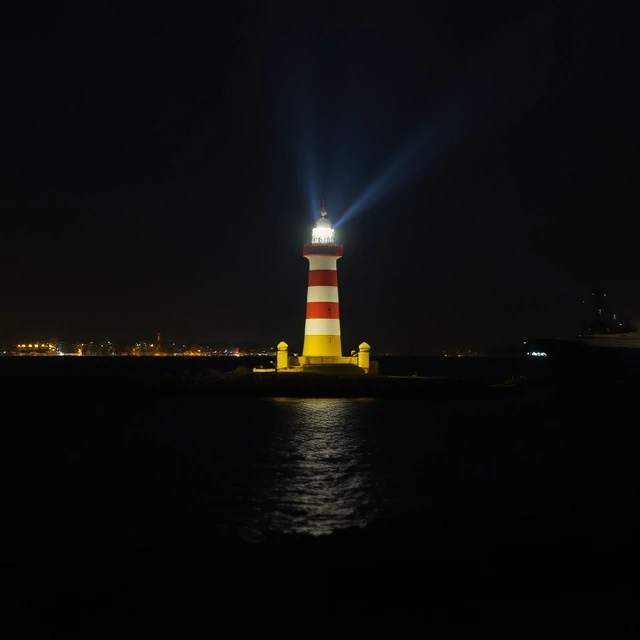
A streetlight illuminates the road for everyone who passes. One person's use does not reduce the light available to others. And no one can be easily excluded from its glow. These two properties, non-rivalry and non-excludability, define a public good. National defense, clean air, basic research, and lighthouses are standard examples.
Markets underprovide public goods because of the free rider problem. If everyone can benefit without paying, few will volunteer to cover the cost. The result is that the good gets produced in insufficient quantities, or not at all. Governments step in to fund these goods through taxation, solving the collective action problem by making payment compulsory.
Not everything the government provides is a pure public good. Education is often described as one, but it is excludable, at least in principle. Roads are rivalrous when they get congested. These are sometimes called impure public goods or club goods. The distinction matters for policy. A pure public good requires public funding. A club good might be funded by tolls or user fees. Getting the category right helps determine who pays and how much.
Public good examples
- National defense
- Clean air and water
- Basic scientific research
- Public fireworks displays
- Lighthouses
Comments
No comments yet. Be the first to share a thought.
Leave a comment