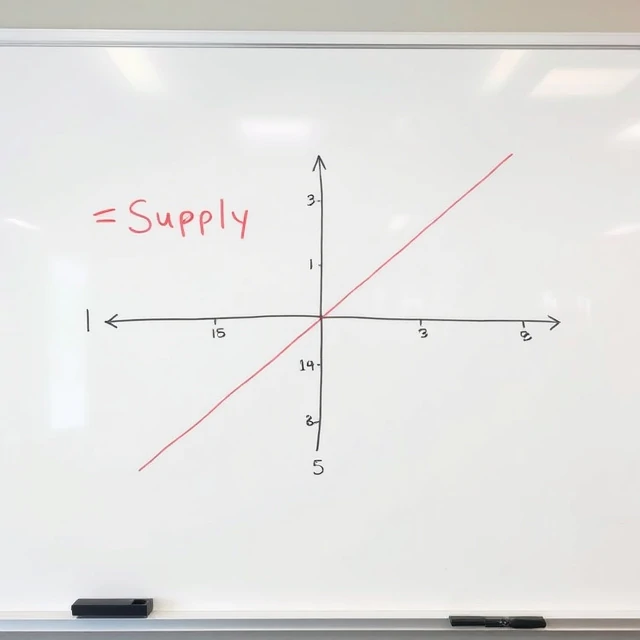
In a market, buyers want low prices and sellers want high ones. Somehow, most of the time, they meet somewhere in the middle. Equilibrium is that meeting point, the price at which the quantity buyers want equals the quantity sellers offer. At that price, there is no shortage and no surplus.
Markets tend toward equilibrium, but they rarely sit there for long. A drought cuts the coffee harvest, supply falls, and the price rises until demand cools. A new technology lowers production costs, supply rises, and the price falls. Each shift creates a new equilibrium. The old one is history.
Equilibrium is a useful model, not a literal description. Real markets have friction: imperfect information, transportation delays, contracts, regulations. Prices can get stuck above or below the theoretical level. Minimum wage laws, for example, set a price floor for labor. Rent control sets a ceiling. Both create gaps between what the model predicts and what actually happens.
Equilibrium in practice
- Occurs where supply and demand curves intersect
- Shifts when either curve moves
- Can be disrupted by price floors and ceilings
- Assumes competitive markets and full information
- Is a tendency, not a guarantee
Comments
No comments yet. Be the first to share a thought.
Leave a comment