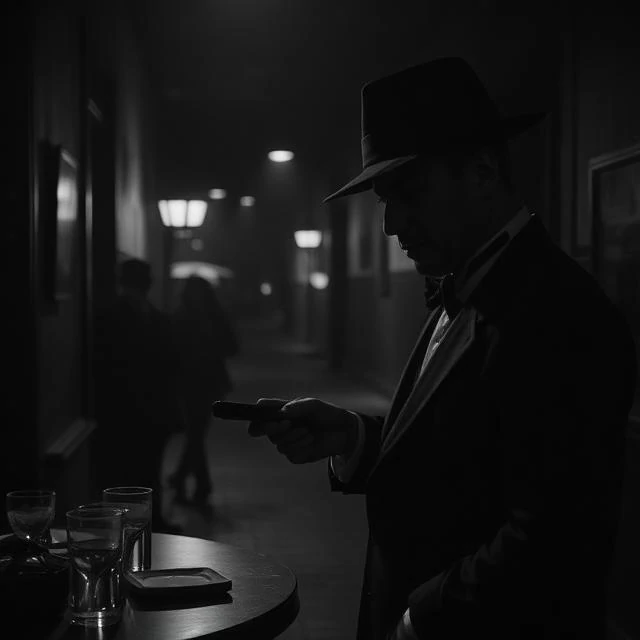
A voiceover is narration spoken by an unseen character or narrator. The voice is heard over the images, commenting on the action, providing exposition, or revealing inner thoughts. The voiceover can be a character in the story, like a detective narrating a case. It can be an omniscient narrator, like Morgan Freeman in The Shawshank Redemption. It can be the voice of the director, like Terrence Malick's whispered narration. The voiceover is a versatile tool. It can provide information. It can create irony. It can reveal character.
Voiceover is often used in film noir. The hard-boiled detective narrates the story, explaining the plot and revealing his cynicism. It is used in documentaries, where the narrator explains the images. It is used in comedies, where the narrator comments on the absurdity. It is used in dramas, where the narrator reveals a character's inner life. The voiceover is not always necessary. Some filmmakers avoid it, preferring to show rather than tell. But when used well, it can be powerful. It can create intimacy. It can create distance. It can create meaning.
The voiceover is recorded in post-production, usually in a sound studio. The actor watches the film and records the narration. The director guides the performance. The sound designer mixes the voice with the music and effects. The voiceover is a collaborative effort. It is the voice of the film. It is the narrator's presence. It is the audience's guide. The voiceover is a tool. It is not the film. But it can be the film's conscience.
Comments
No comments yet. Be the first to share a thought.
Leave a comment