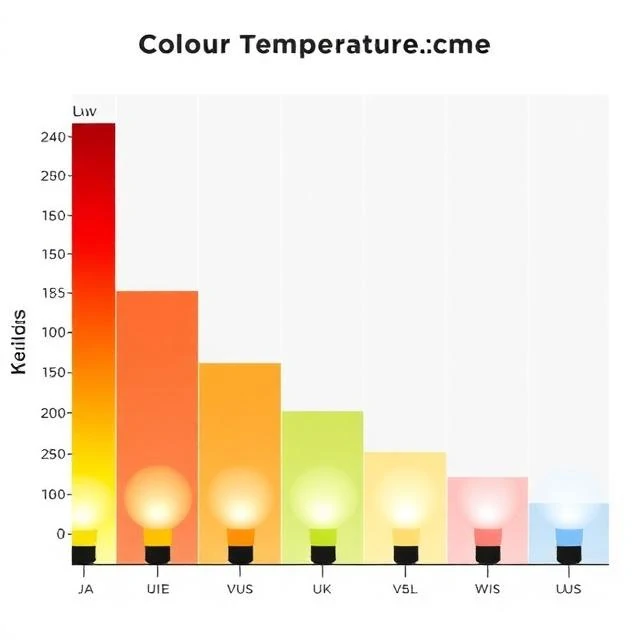
Candlelight is orange. Daylight is blue. The difference is color temperature, a measure of the warmth or coolness of light. It is measured in kelvins, a unit of thermodynamic temperature. Lower kelvin values are warmer, meaning more orange or red. Higher values are cooler, meaning more blue. A candle flame is about 1,800 K. A household incandescent bulb is about 2,700 K. Daylight at noon is about 5,600 K. An overcast sky can be 7,000 K or higher.
Color temperature matters in cinematography because it affects the mood and the realism of a scene. A warm light can make a scene feel cozy, romantic, or nostalgic. A cool light can make it feel cold, sterile, or alien. Mixing color temperatures in a scene can create contrast and tension. A character lit by warm tungsten light against a cool window can feel torn between two worlds. The choice of color temperature is a creative decision, not just a technical one.
Cameras have a white balance setting that adjusts the sensor to the color temperature of the light. If the white balance is set incorrectly, the image will look too orange or too blue. Cinematographers often set the white balance deliberately to achieve a specific look. They may also use gels on lights to change their color temperature. The kelvin scale is a tool, and the cinematographer uses it to paint with light.
Comments
No comments yet. Be the first to share a thought.
Leave a comment