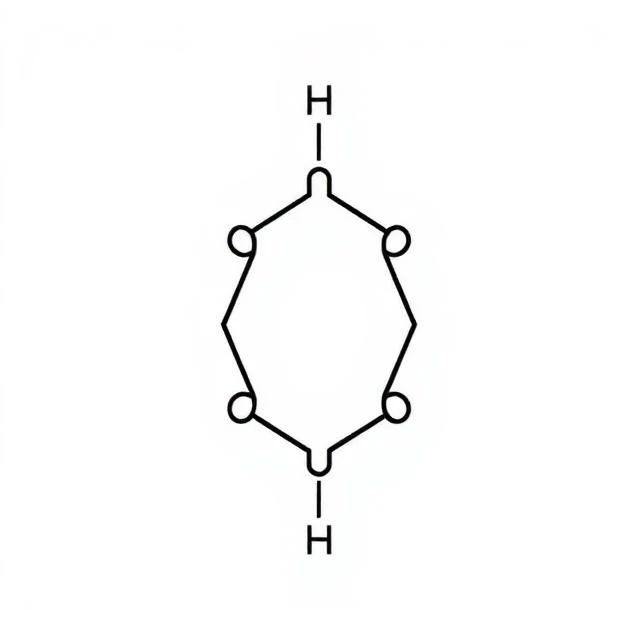
Bread, rice, pasta, fruit, and table sugar. These are carbohydrates, the body's primary source of energy. The name comes from the ratio of carbon, hydrogen, and oxygen: Cn(H2O)n. They are made of simple sugars linked together. Monosaccharides are single sugars, like glucose and fructose. Disaccharides are two sugars, like sucrose (table sugar) and lactose (milk sugar). Polysaccharides are long chains, like starch, glycogen, and cellulose.
Carbohydrates serve many functions. Glucose is the fuel that cells burn for energy. Glycogen is the storage form of glucose in the liver and muscles. Cellulose is a structural component of plant cell walls. It is also a fiber that passes through the human digestive system undigested, promoting gut health. Chitin, found in insect exoskeletons and fungal cell walls, is another structural polysaccharide.
Carbohydrates are classified as simple or complex. Simple carbohydrates are sugars, which are digested quickly and spike blood glucose. Complex carbohydrates are starches and fibers, which are digested more slowly and provide sustained energy. The glycemic index measures how quickly a food raises blood glucose. Foods with a low glycemic index are generally healthier.
Carbohydrates are not the enemy. They are essential. The brain runs on glucose. Muscles need glycogen for intense exercise. Fiber supports digestion and heart health. The quality and quantity of carbohydrates matter more than the category. Whole grains, fruits, and vegetables are better choices than refined sugars and white flour.
Comments
No comments yet. Be the first to share a thought.
Leave a comment