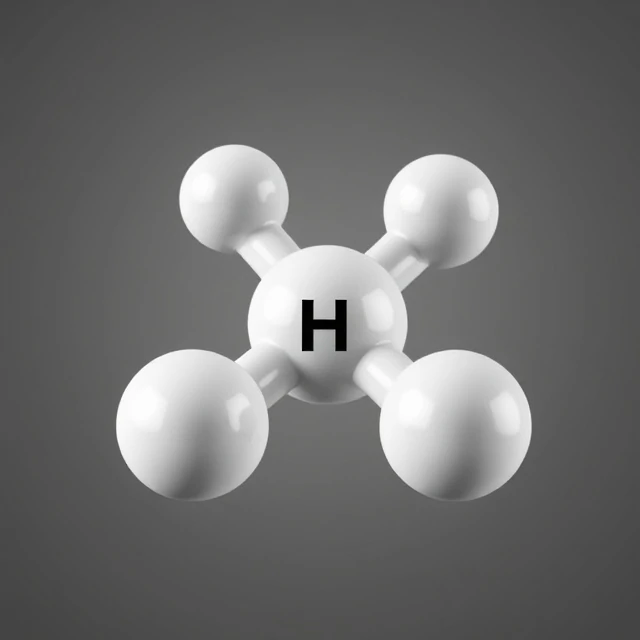
Methane, propane, butane, octane. These are alkanes, the simplest hydrocarbons. They contain only carbon and hydrogen, and only single bonds between carbon atoms. Each carbon is bonded to four other atoms, usually hydrogen. The general formula is CnH2n+2. Methane is CH4, ethane is C2H6, propane is C3H8. They are called saturated hydrocarbons because they hold as many hydrogen atoms as possible.
Alkanes are the main components of natural gas and petroleum. They burn cleanly in the presence of sufficient oxygen, producing carbon dioxide and water. That is why they are used as fuels. They are also used as feedstocks for plastics, detergents, and pharmaceuticals. But they are not very reactive under normal conditions. Their carbon-hydrogen bonds are strong and nonpolar. They do not dissolve in water. They do not react with acids or bases. They do react with oxygen in combustion, and with halogens under ultraviolet light.
Alkanes form a homologous series, meaning each member differs from the next by a CH2 group. As the chain grows, the boiling point rises. Methane is a gas at room temperature. Octane is a liquid. Paraffin wax is a solid mixture of large alkanes. The physical properties change gradually with size.
Comments
No comments yet. Be the first to share a thought.
Leave a comment