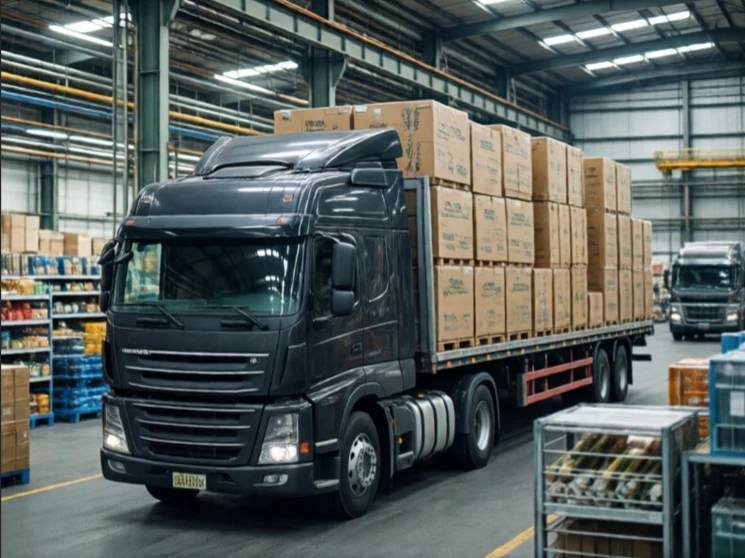
A product is made in a factory. A customer buys it in a store. The path between those two points is the distribution channel: the chain of businesses or intermediaries through which a product passes on its way from producer to consumer.
Channels can be short or long. Direct distribution has no intermediaries: producer to consumer. A one-level channel adds a retailer. A two-level channel adds a wholesaler. Longer channels add agents, distributors, and brokers. Each intermediary takes a cut, but each also provides a service: storage, transportation, market access, or customer relationships. The right channel depends on the product, the market, and the producer's capabilities.
Channel design is a strategic decision. A luxury brand may choose exclusive distribution through a few high-end retailers to protect its image. A convenience good like toothpaste uses intensive distribution through every possible outlet. Between them lies selective distribution, which uses a limited number of outlets. The choice affects pricing, branding, and how quickly a product reaches the market. It is not just logistics. It is positioning.
Comments
No comments yet. Be the first to share a thought.
Leave a comment