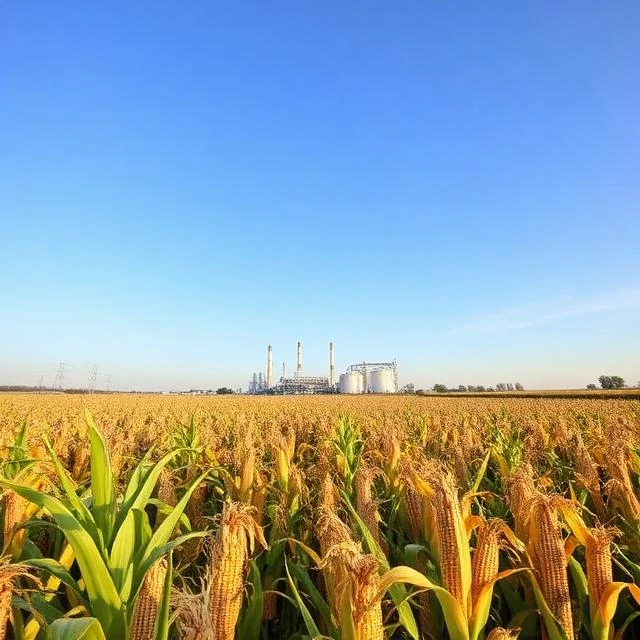
Ethanol from corn. Biodiesel from soy. Renewable natural gas from manure. Biofuels are fuels produced from biological materials, and they have been promoted as a way to reduce dependence on petroleum. The idea is simple: plants absorb carbon dioxide as they grow, and burning the fuel releases it back. If the cycle is closed, the net carbon emissions are low. In practice, the accounting is more complicated.
Biofuels come in generations. First-generation biofuels use food crops like corn, sugarcane, and soy. They are commercially established but compete with food production and drive up prices. Second-generation biofuels use non-food sources: agricultural residues, wood chips, and dedicated energy crops. They avoid the food-versus-fuel conflict but are harder to convert. Third-generation biofuels come from algae, which can grow in ponds and produce oils for diesel and jet fuel. The technology is promising but expensive.
The climate benefits depend on how the feedstock is grown and processed. Corn ethanol may produce only modest reductions in greenhouse gases once fertilizer, farming, and distillation are counted. Biofuels from waste and residues do better. Location matters too. A biofuel that protects forests is better than one that clears them.
Biofuels are not a silver bullet. They are one tool among many, and their value depends on the details.
Comments
No comments yet. Be the first to share a thought.
Leave a comment