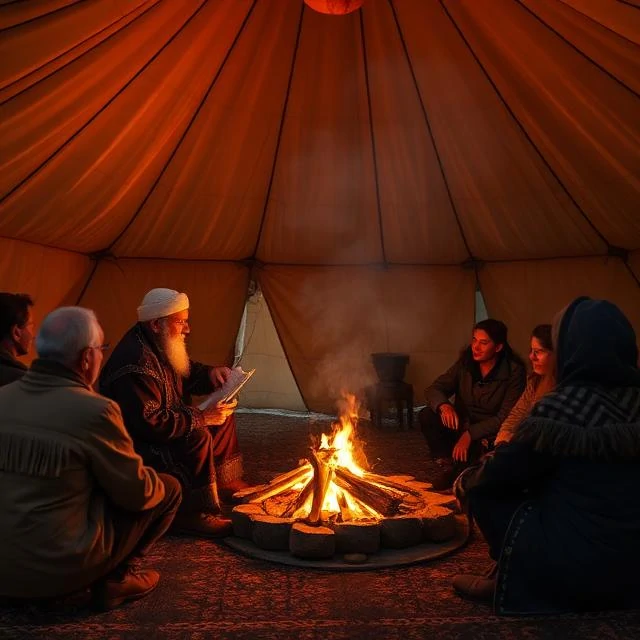
Cultures tell stories that explain the origins of the world, the gods, and the customs of the people. A myth is such a traditional story. Unlike legends, myths often feature supernatural beings and events that stand outside ordinary historical time. They answer questions about why the world is the way it is and how humans should relate to the sacred.
Myths are not primarily concerned with factual accuracy in the modern historical sense. Their truth lies in the meanings they carry for the community that tells them. Creation myths, hero myths, and myths of the afterlife appear across cultures, though the specific characters and plots differ widely. Scholars study myths for what they reveal about values, fears, and social structures.
In literature, myth supplies a deep reservoir of archetypes and narrative patterns. Writers allude to or rewrite myths to comment on contemporary experience. The persistence of mythic thinking shows that human beings continue to seek stories that place individual lives within a larger cosmic or moral framework. Whether believed literally or read as symbolic, myths remain powerful organizers of meaning.
Comments
No comments yet. Be the first to share a thought.
Leave a comment