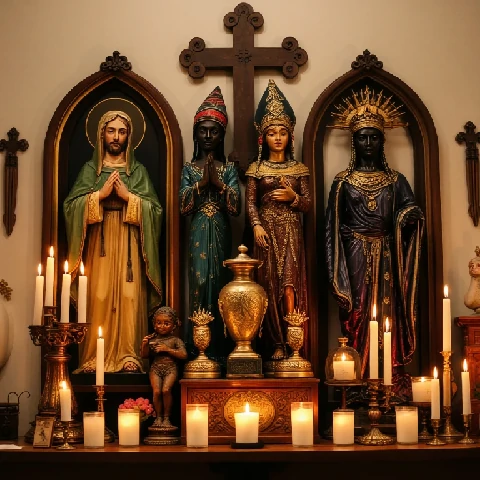
Assimilation describes what happens when a minority group is absorbed into a dominant culture. Over time, the distinctive language, dress, religion, or customs of the minority may fade as members adopt the majority's way of life. The process can take generations, and it is rarely complete. It can also be forced. Governments have banned languages, removed children from families, and outlawed ceremonies in deliberate campaigns to erase difference.
Classic models, drawn from early 20th-century American sociology, pictured assimilation as a one-way street ending in a melting pot. Later research showed something messier. Immigrant groups often retain parts of their heritage while participating in the wider society. The dominant culture changes too, absorbing foods, words, and music from those it supposedly absorbs. When assimilation is voluntary and gradual, it may feel like opportunity. When it is coerced, it is a form of cultural violence.
Markers of assimilation
- Language shift across generations.
- Intermarriage with the dominant group.
- Decline in traditional religious practice.
- Residential dispersal away from ethnic enclaves.
Whether assimilation is welcomed or resisted depends largely on who holds power and what they demand of newcomers.
Comments
No comments yet. Be the first to share a thought.
Leave a comment