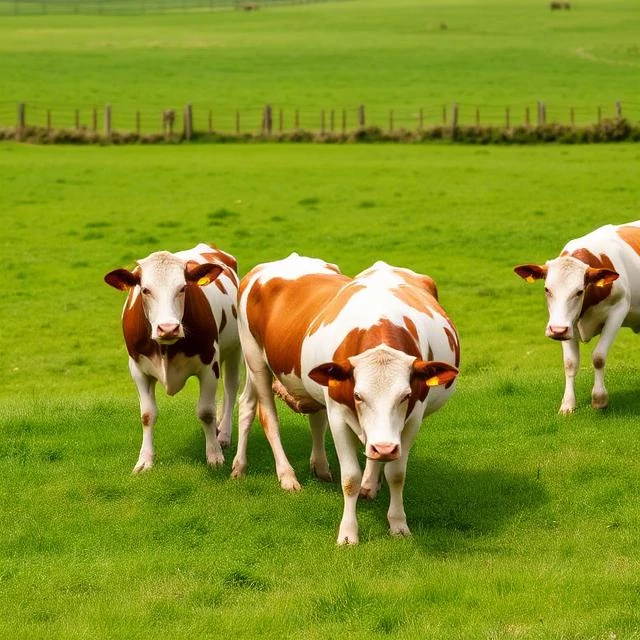
Pasture is grassland used for grazing livestock. It is usually planted and managed rather than wild, though the line between pasture and rangeland blurs in dry regions. A good pasture is not just grass. It is a mix of grasses, legumes, and broadleaf plants that together provide balanced nutrition through the season.
Managing pasture is like managing any crop, except the harvest is done by animals. Stocking rate, rotation length, and rest periods determine whether the sward stays productive or gets eaten down to bare soil. Overgrazing is the classic failure: animals are kept on the same paddock too long, plants cannot regrow, and weeds move in. Rotational grazing, moving animals every few days, mimics the pattern of wild herds and keeps plants vigorous.
Common pasture species
- Perennial ryegrass and white clover in temperate regions
- Bermuda grass and bahiagrass in warm climates
- Alfalfa and red clover for high protein
- Native grasses for low-input rangeland
Well-managed pasture builds soil carbon, supports pollinators, and produces meat and milk at lower cost than grain-based systems.
Comments (2)
Leave a comment