Ask a biologist to define species and you might get a sigh. The textbook answer is a group of organisms that can interbreed and produce fertile offspring. That works for most animals. It falls apart for bacteria, which reproduce asexually, and for organisms that hybridize freely, like some plants and fish.
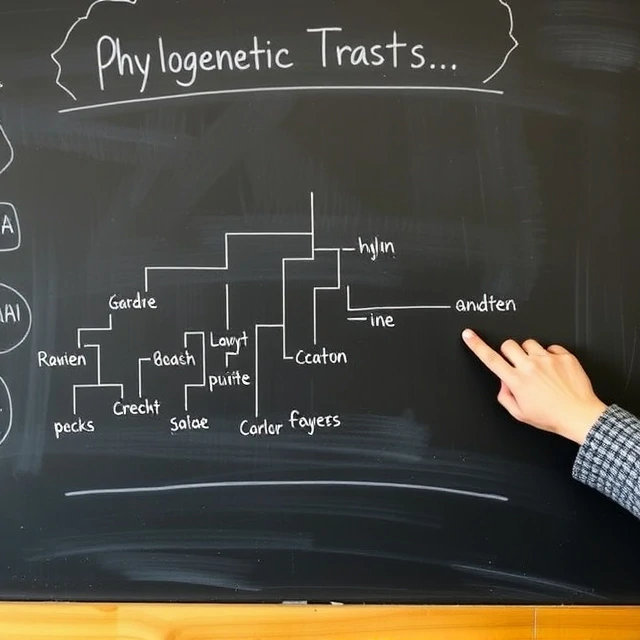
Ernst Mayr formalized the biological species concept in 1942. Since then, researchers have proposed dozens of alternatives. The phylogenetic species concept defines a species as the smallest group sharing a common ancestor. The ecological species concept focuses on shared niche. Each definition works for some organisms and fails for others.
Why the definition matters
- Conservation law protects species, not populations
- Identifies which organisms get legal protection
- Shapes how we measure biodiversity
- Determines breeding programs in zoos and seed banks
In practice, most biologists use a working definition suited to their study organism. A birdwatcher and a microbiologist mean different things when they say species. That flexibility is not sloppiness. It reflects the messy reality of life on Earth, which evolved over billions of years without consulting a rulebook.
Comments
No comments yet. Be the first to share a thought.
Leave a comment