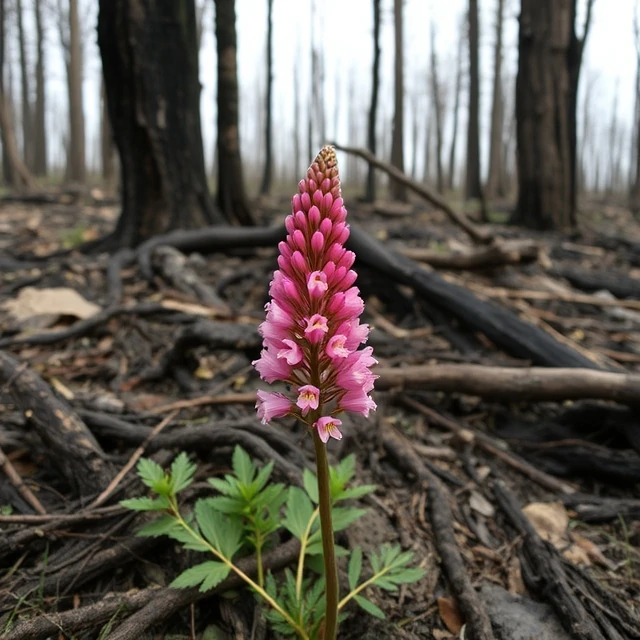
After a volcano erupts and lava cools, the ground is bare rock. Nothing lives there. Then lichens arrive. They break down rock into soil, and mosses follow. Eventually grasses, shrubs, and trees take over. The first organisms to colonize a barren environment are pioneer species. They are tough. They tolerate harsh conditions, low nutrients, and full sun. Lichens, mosses, and some grasses are common pioneers. So are fireweed after a forest fire and dune grasses on a new beach.
Pioneer species change the environment in ways that make it easier for other species to follow. Lichens secrete acids that dissolve rock. Mosses hold moisture and trap organic matter. Grasses build soil with their roots. These changes set the stage for the next wave of species. The process is called primary succession when it starts on lifeless terrain, and secondary succession when it starts on soil that already exists after a disturbance like a fire or flood.
Common pioneer species
- Lichens on bare rock.
- Mosses on damp surfaces.
- Fireweed after forest fires.
- Dune grasses on coastal sand.
Pioneer species are not permanent. They are the first chapter in a longer story. As the environment changes, they are often replaced by species that compete better in the new conditions.
Comments
No comments yet. Be the first to share a thought.
Leave a comment