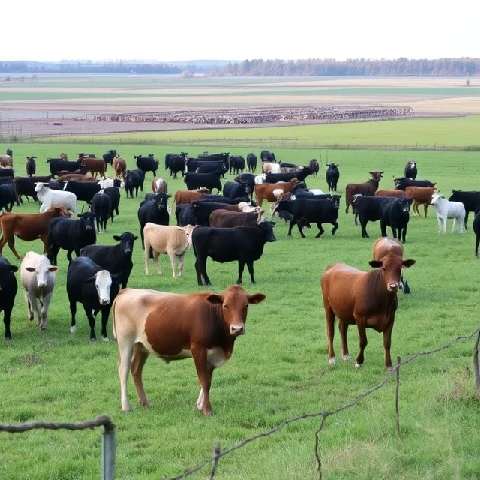
A carbon footprint is the total greenhouse gases emitted by an individual, organization, product, or event. It is usually measured in tons of carbon dioxide equivalent, which combines different gases into a single number based on their warming potential. Methane, for example, traps far more heat than carbon dioxide over a short period, so its contribution is weighted accordingly.
Footprints cover direct and indirect emissions. Driving a car burns fuel directly. Eating beef involves emissions from feed production, land clearing, animal digestion, and transport. Flying, heating a home, and buying manufactured goods all contribute. Calculating a footprint requires assumptions, and different methods produce different numbers. Still, the concept is useful. It turns a global problem into something measurable at a personal or organizational scale. Companies use footprints to identify where emissions come from and where to cut.
Common sources
- Transportation: cars, flights, shipping.
- Food: meat and dairy, especially beef and lamb.
- Energy: electricity and heating.
- Goods and services: manufacturing and waste.
Carbon offsets allow people and companies to pay for emission reductions elsewhere, such as planting trees or funding renewable energy. Offsets are controversial. They can help, but they are not a substitute for cutting emissions at the source.
Comments
No comments yet. Be the first to share a thought.
Leave a comment