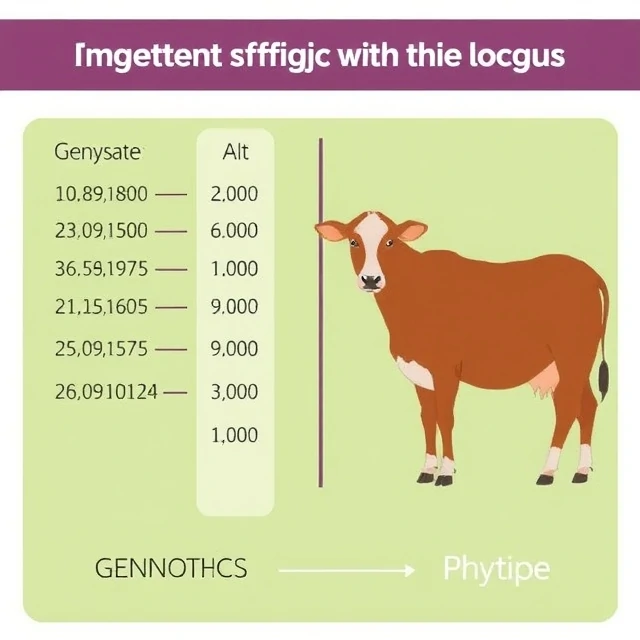
The observable traits of an organism are only part of the story. The genotype is the actual genetic constitution at a given locus or across the entire genome. It is written in the DNA sequence and is fixed at conception, barring mutation or editing.
At a single locus the genotype may be homozygous or heterozygous. Genome-wide genotypes are determined by sequencing or array-based methods. Genotype interacts with environment to produce the phenotype; identical genotypes can yield different outcomes under different conditions.
Clinicians use genotype information to predict disease risk, drug response, and carrier status. Population studies relate genotype frequencies to evolutionary history and disease prevalence. Accurate genotyping is the starting point for most genetic analyses.
- Genetic makeup of an organism
- Can refer to a single locus or the whole genome
- Determined by DNA sequence
- Interacts with environment to produce phenotype
Comments
No comments yet. Be the first to share a thought.
Leave a comment