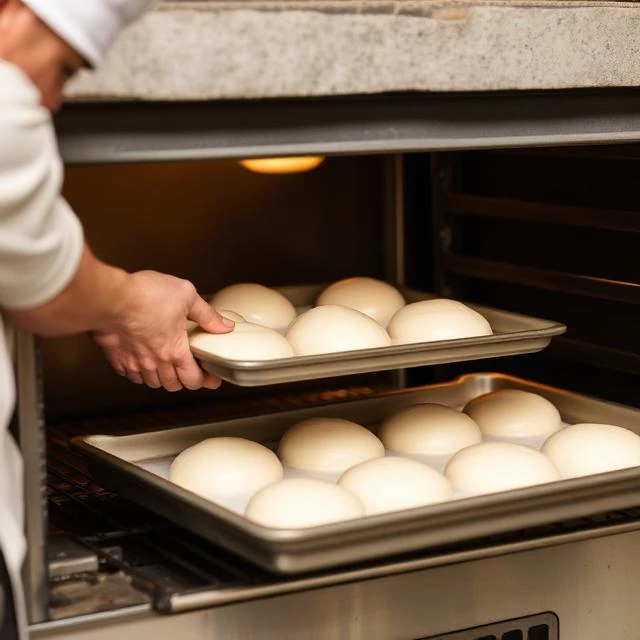
Baking cooks food in an oven using dry heat. The heat circulates around the food, cooking it evenly and browning the surface. Bread, cakes, cookies, pastries, and casseroles all depend on baking. The oven is the tool. The heat is the method. The transformation is the point. A lump of dough goes in pale and soft. It comes out golden, crisp, and fragrant. That transformation is chemistry at work.
Baking relies on precise measurements. Flour, sugar, fat, eggs, and leavening agents must be in the right proportions. Too much flour makes a cake dense. Too little baking powder makes it flat. The oven temperature must be accurate. A difference of 25 degrees can mean the difference between a tender cookie and a burnt one. The baker weighs ingredients, preheats the oven, and times the bake. Baking is less forgiving than cooking. A cook can adjust a stew by taste. A baker cannot adjust a cake once it is in the oven.
Baking has a long history. The earliest ovens were pits in the ground, heated with fire and stones. The Egyptians baked bread in clay ovens. The Romans baked pastries and cakes. The modern oven, with its thermostat and timer, is a recent invention. But the principle has not changed. Dry heat transforms ingredients into something new. The baker is a chemist. The oven is the laboratory. The result is dinner, or dessert, or both.
Comments
No comments yet. Be the first to share a thought.
Leave a comment