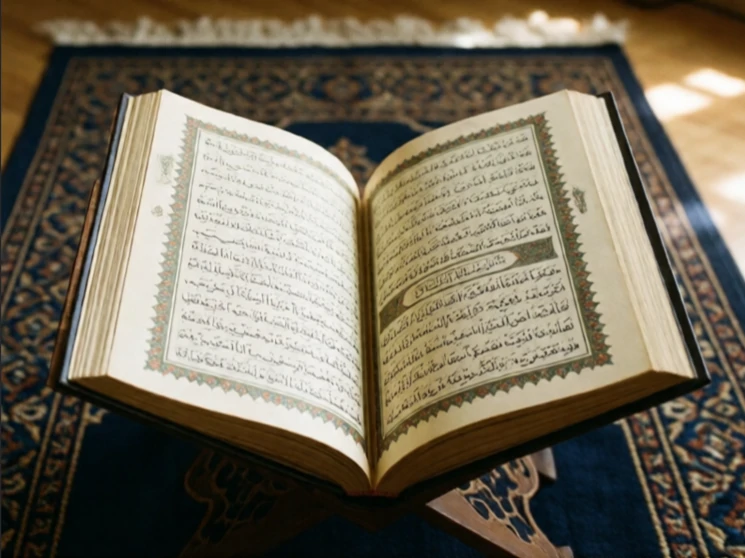
Sharia is the path. In Islamic usage it is the comprehensive guidance that God has provided for human life, derived primarily from the Qur’an and the Sunnah—the recorded words and actions of the Prophet Muhammad. It covers worship, family relations, commercial dealings, criminal penalties, and personal ethics.
Over centuries scholars developed the science of jurisprudence, fiqh, to extract rulings from the sources. Four major Sunni schools and several Shi‘a approaches emerged, differing on methods of reasoning and on particular judgments, yet sharing the same foundational texts. Not every rule is equally certain; some rest on clear texts, others on analogy or scholarly consensus. The ideal is a life lived in accordance with divine will, not merely a code of punishments.
In practice the application of sharia has varied enormously with time and place. Classical Islamic states administered it through courts; modern nation-states have adopted, adapted, or restricted it in different degrees. Debates continue over its relation to democracy, human rights, and the status of non-Muslims and women. For many Muslims, sharia remains less a political program than a personal and communal ideal of faithfulness.
To speak of sharia is to speak of an entire vision of how life should be ordered under God.
Comments
No comments yet. Be the first to share a thought.
Leave a comment