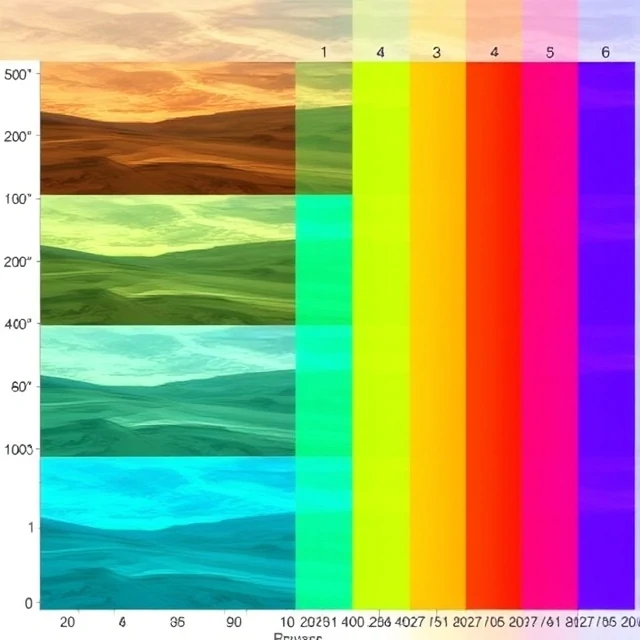
Light has a temperature, measured in kelvins. It sounds like a contradiction: temperature usually means heat. In photography, color temperature describes the color of light. Candlelight is around 1,800 K and looks orange. Tungsten bulbs are around 3,200 K and look warm yellow. Daylight is around 5,500 K and looks neutral. Shade and overcast skies are higher, around 7,000 to 10,000 K, and look blue. The scale runs from warm at the low end to cool at the high end, which is the opposite of what intuition might suggest.
Cameras need to know the color temperature of the light to render colors accurately. Auto white balance estimates it. Manual white balance lets you set it. If you shoot in tungsten light with the camera set to daylight, the image comes out orange. If you shoot in daylight with the camera set to tungsten, it comes out blue. Understanding color temperature helps you control mood as well as accuracy. Warm light feels cozy. Cool light feels clinical or melancholic. Cinematographers use this deliberately, and still photographers can too.
Color temperature reference
- 1,800 K. Candlelight, warm orange.
- 3,200 K. Tungsten bulbs, warm yellow.
- 5,500 K. Midday daylight, neutral.
- 7,000 K. Overcast sky, cool blue.
- 10,000 K. Deep shade, very blue.
Color temperature is not the same as tint. Tint adjusts green and magenta. Color temperature adjusts blue and orange.
Comments
No comments yet. Be the first to share a thought.
Leave a comment