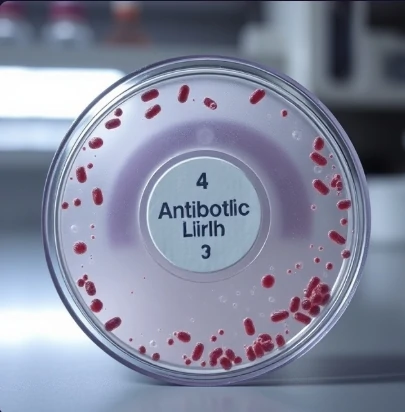
Alexander Fleming noticed in 1928 that a mold had killed the bacteria on one of his petri dishes. That observation led to penicillin and to a century of drugs that turned once-lethal infections into minor inconveniences. Antibiotics kill bacteria or stop them from multiplying. They do nothing against viruses, which is why a cold or flu will not respond to them.
The main classes attack different bacterial targets. Penicillins and cephalosporins break down the cell wall. Tetracyclines and macrolides block protein synthesis. Fluoroquinolones interfere with DNA replication. Each class has a spectrum, meaning the range of bacteria it covers, and a set of side effects. Broad-spectrum drugs hit many species; narrow-spectrum ones target a few. Choosing well means matching the drug to the bug, ideally after a culture.
Resistance is the central problem of modern antibiotic use:
- Overuse. Prescribing for viral infections gives bacteria practice at surviving.
- Incomplete courses. Stopping early can leave the toughest bacteria alive.
- Agricultural use. Routine dosing of livestock breeds resistance on a large scale.
- Few new drugs. The pipeline for novel classes has slowed even as resistance grows.
Antibiotic stewardship programs in hospitals aim to prescribe the right drug, at the right dose, for the right duration. The stakes are straightforward: infections that were once easy to treat are becoming harder.
Comments
No comments yet. Be the first to share a thought.
Leave a comment