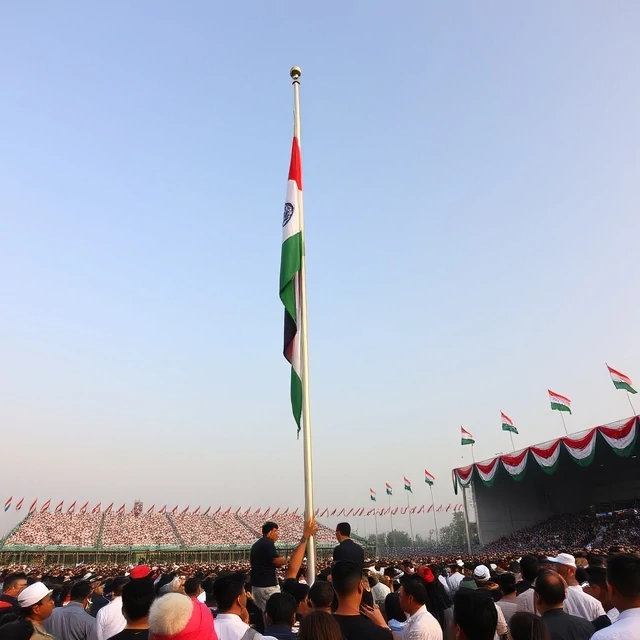
Political communities sometimes break free from external rule. Independence is the condition of a state or nation that is not subject to the sovereignty of another power. It is typically formalized by declaration, treaty, or international recognition.
Independence movements have drawn on diverse ideologies—liberal, nationalist, socialist—and have employed negotiation, non-violent pressure, and armed struggle. The twentieth century saw a wave of independences as European empires dissolved. New states then faced the tasks of building institutions and defining citizenship.
Legal independence does not automatically produce economic autonomy or internal cohesion. Historians examine both the moment of transfer of power and the longer processes that preceded and followed it. Celebrations of independence often become central rituals of national identity.
- Freedom from external political control
- Formalized by declaration or recognition
- Achieved through varied strategies
- Followed by challenges of state-building
Comments
No comments yet. Be the first to share a thought.
Leave a comment