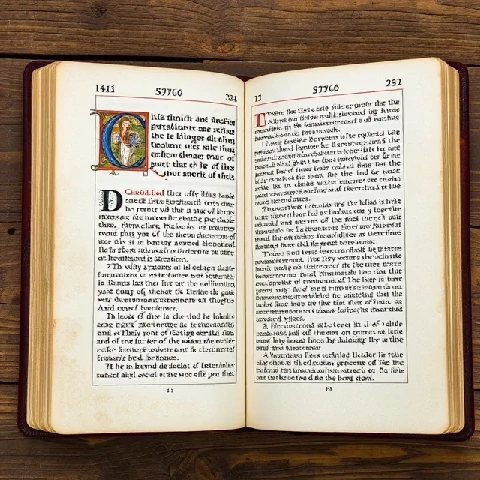
Before analytical history became common, writers compiled chronicles. A chronicle is a factual account of events arranged in chronological order, often spanning many years and blending local notices with wider political or religious news.
Medieval European chronicles were frequently produced in monasteries or at royal courts. They might begin with Creation or the Incarnation and continue down to the compiler’s own day. Style ranges from terse annalistic notes to fuller narrative passages. Similar traditions existed in the Islamic world, East Asia, and elsewhere.
Chronicles supply contemporary or near-contemporary testimony, yet they also reflect the biases and information limits of their authors. Later historians extract data from them while remaining alert to purpose and perspective. The form remains one of the oldest continuous methods of recording the past.
- Chronological written account of events
- Often produced by institutions or courts
- Blends local and wider news
- Valuable yet perspective-bound source
Comments
No comments yet. Be the first to share a thought.
Leave a comment