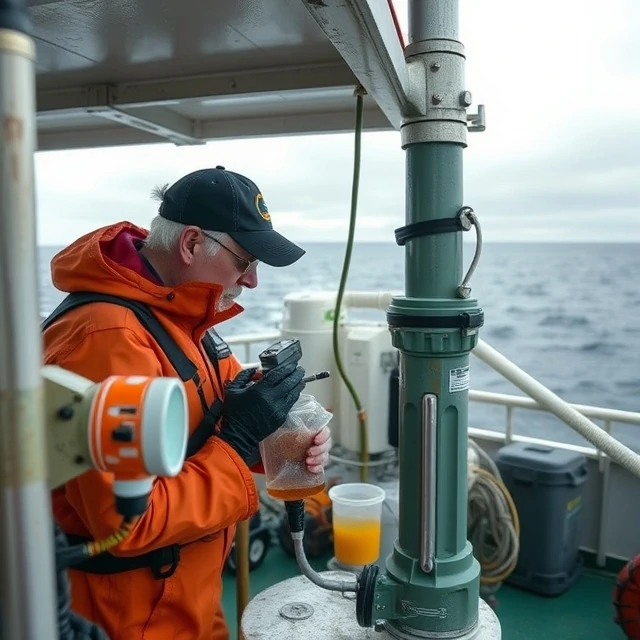
Ocean acidification is the decrease in ocean pH caused by absorbing carbon dioxide. When CO2 dissolves in seawater, it forms carbonic acid. That acid releases hydrogen ions, lowering pH. Since the industrial revolution, ocean pH has dropped by about 0.1 units. That sounds small. It represents roughly a 30 percent increase in acidity.
The chemistry affects marine life. Corals, oysters, clams, and sea urchins build shells and skeletons from calcium carbonate. More acidic water makes that harder. Shells dissolve faster than they form. Some species stop growing. Others die. The effects ripple through food webs, threatening fisheries and coastal economies.
The ocean has absorbed about a quarter of human CO2 emissions. That has slowed warming but at a cost. Acidification is happening faster than at any point in millions of years. Reducing emissions is the only real solution. Local measures like seagrass restoration can help in small areas, but they cannot stop the chemistry at a global scale.
Key effects
- Shell and skeleton dissolution
- Coral bleaching and death
- Disruption of food webs
- Fisheries decline
- Reduced ocean carbon uptake
Comments
No comments yet. Be the first to share a thought.
Leave a comment