Marginal cost is the extra cost of producing one more unit. It sounds technical. It is actually intuitive. If a bakery already made 100 loaves and makes one more, the marginal cost is the flour, yeast, and labor for that single loaf. Fixed costs like rent do not change.
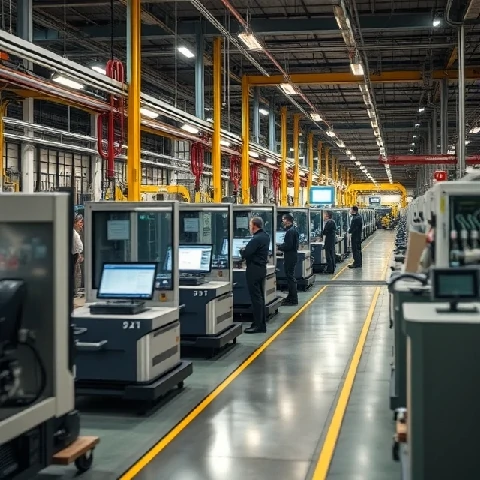
Marginal cost usually falls at first, then rises. Early on, a factory can spread fixed costs and specialize. Workers get efficient. But eventually, adding more workers or machines to the same space causes congestion. Each extra unit costs more than the last.
This concept drives production decisions. A company maximizes profit where marginal cost equals marginal revenue. If producing one more unit costs more than it earns, stop. If it costs less, produce more. The logic is simple. Applying it with real-world data is not.
Key points
- Change in total cost divided by change in quantity
- Excludes fixed costs
- U-shaped curve in theory
- Equals marginal revenue at profit maximum
- Basis for supply curves
Comments
No comments yet. Be the first to share a thought.
Leave a comment