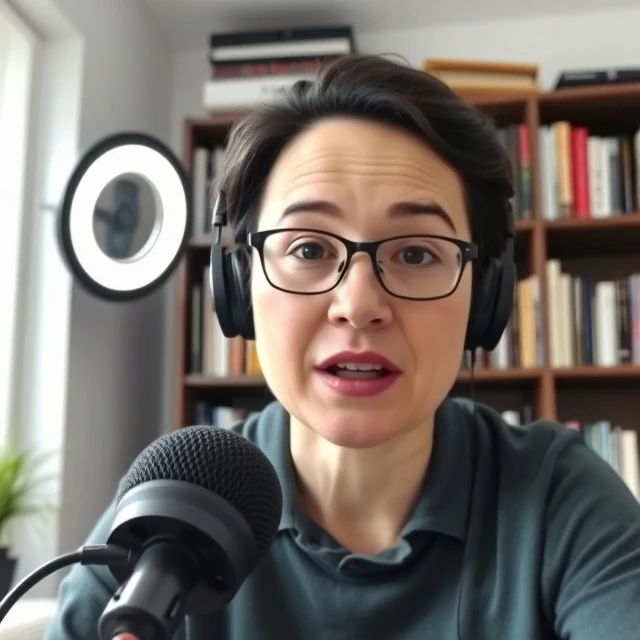
Distance learning happens when the teacher and student are not in the same room. Sometimes they are not even in the same country. Correspondence courses by mail date back to the 1800s. Radio, television, and now the internet have each expanded what is possible.
Today, distance learning covers a wide range. A university student in Beijing might attend a live seminar streamed from Boston. A rural nurse might complete continuing education modules on a laptop after a shift. A high schooler might take an online language course because their school does not offer one.
The format has trade-offs. It offers flexibility and access, especially for working adults and students in remote areas. It also demands self-discipline. Without a classroom and a set schedule, some students fall behind. Synchronous classes meet at fixed times. Asynchronous ones let students work at their own pace within deadlines.
Common forms
- Live video classes
- Recorded lectures and modules
- Discussion forums and email
- Printed correspondence materials
- Hybrid programs with occasional campus visits
Comments
No comments yet. Be the first to share a thought.
Leave a comment