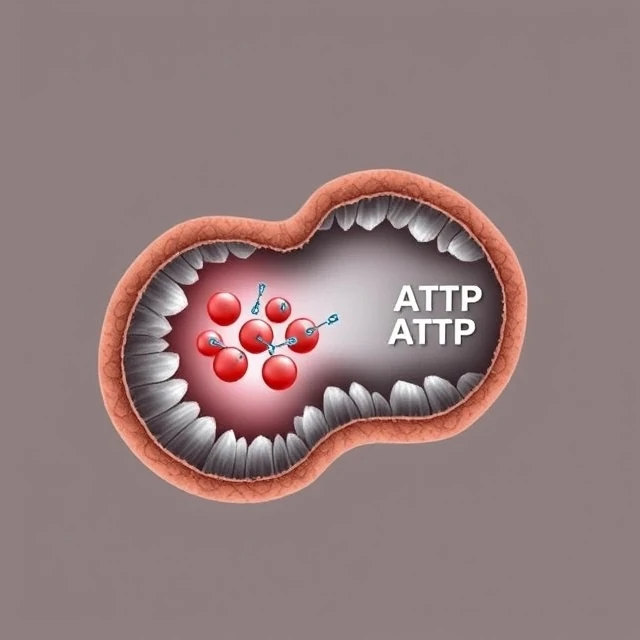
Every cell in your body is burning fuel right now. Not with fire, but through a controlled chain of chemical reactions that release energy from glucose and other organic molecules. That process is respiration, and it happens in plants, animals, fungi, and bacteria alike.
Aerobic respiration uses oxygen and produces carbon dioxide, water, and a large amount of usable energy stored as ATP. Anaerobic respiration skips oxygen and yields far less energy, which is why you feel a burning sensation in your muscles during a sprint. Yeast does something similar when it ferments sugar into alcohol. Same principle, different end products.
The equation looks simple: glucose plus oxygen becomes carbon dioxide plus water plus energy. In reality it runs through dozens of steps, each one catalyzed by a specific enzyme. Glycolysis breaks glucose down in the cytoplasm. The Krebs cycle and electron transport chain finish the job inside mitochondria.
Key points
- Respiration releases energy from organic molecules
- Aerobic respiration needs oxygen and yields more ATP
- Anaerobic respiration works without oxygen but produces less energy
- Plants respire too, day and night
Plants get credit for photosynthesis, but they also respire around the clock. Cut a leaf from sunlight and it keeps consuming oxygen. Respiration is the baseline metabolism of life.
Comments
No comments yet. Be the first to share a thought.
Leave a comment