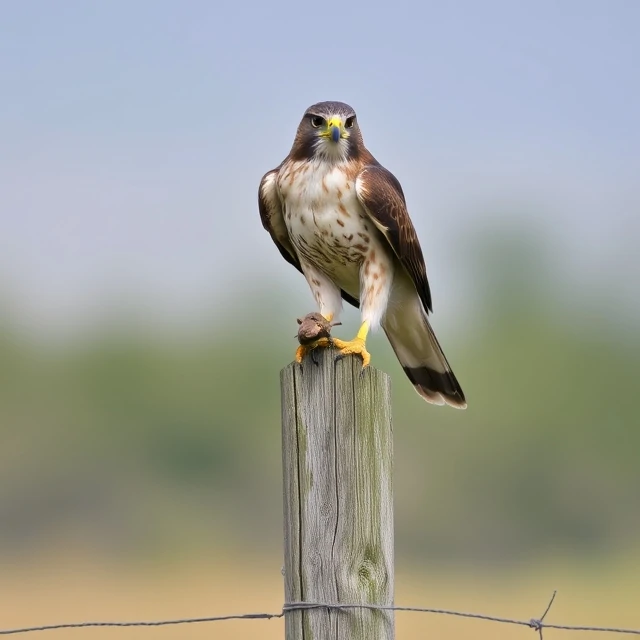
In ecology, a consumer is an organism that gets its energy by eating other organisms. Unlike producers, which make their own food through photosynthesis, consumers must consume. Herbivores eat plants. Carnivores eat animals. Omnivores eat both. Decomposers, which break down dead matter, are sometimes treated as a separate category, though they are also consumers in a broad sense. Consumers occupy the upper levels of food chains and webs.
Consumers are classified by what they eat and how many steps they are from the original energy source. Primary consumers eat producers directly. Secondary consumers eat primary consumers. Tertiary consumers eat secondary consumers. Each step is a trophic level. Energy is lost at every transfer, mostly as heat, so fewer organisms exist at higher levels. A field might support thousands of grasshoppers but only a handful of hawks. That pyramid shape is one of the most reliable patterns in ecology.
Types of consumers
- Herbivores: eat plants.
- Carnivores: eat animals.
- Omnivores: eat both.
- Detritivores: eat dead organic matter.
Consumers shape ecosystems. Grazing herds maintain grasslands. Predators regulate herbivore numbers. Remove a consumer and the effects ripple through the food web.
Comments
No comments yet. Be the first to share a thought.
Leave a comment