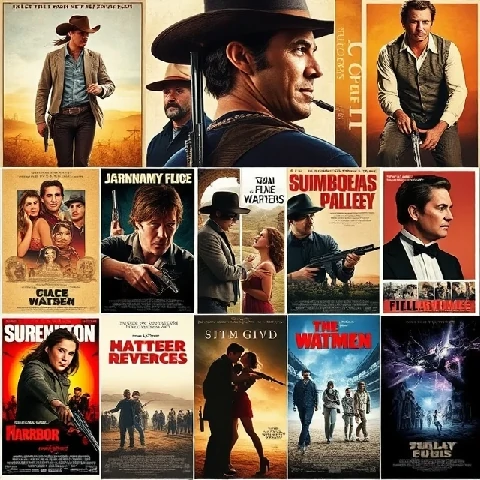
Works of art tend to cluster into recognizable types. A genre is a category defined by shared conventions of form, style, or subject matter. Mystery novels feature a crime and an investigation; sonnets follow a set rhyme scheme and length; western films typically involve a frontier setting and a conflict between order and lawlessness. Readers and viewers use genre expectations to orient themselves and to judge how a particular work fulfills or subverts those expectations.
Genres evolve. New combinations appear, old ones fade, and hybrid forms blur the boundaries. A single work can belong to more than one genre at once. Marketing categories often simplify the landscape, but the underlying conventions remain useful for both creators and audiences. Writers who understand the genre they are working in can decide deliberately when to meet expectations and when to surprise.
Studying genre reveals the unspoken contracts between makers and consumers of art. Those contracts are not rigid laws; they are patterns that have proven effective at organizing experience and generating meaning. Recognizing them deepens both the pleasure of familiarity and the impact of innovation.
Comments
No comments yet. Be the first to share a thought.
Leave a comment