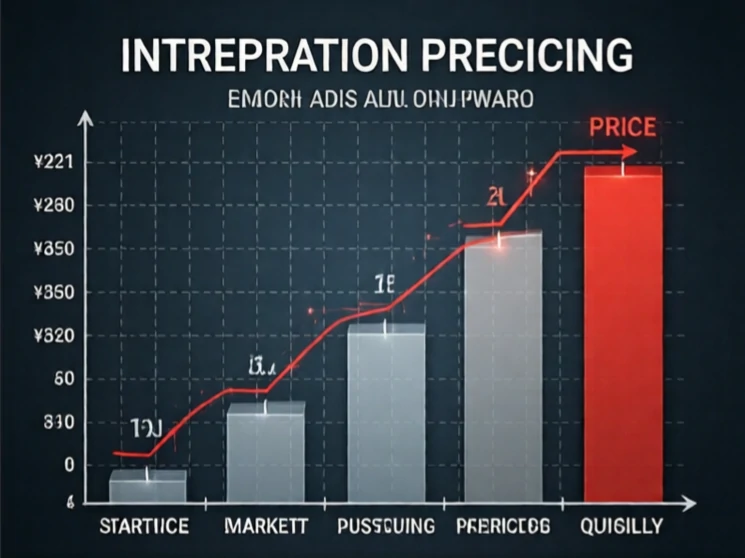
A low initial price can attract a large number of customers quickly. Penetration pricing is that strategy. The firm sets the price below the eventual long-term level in order to gain market share rapidly, build volume, and discourage competitors. Once a strong position is established, prices may be raised.
The approach works best when demand is elastic, when unit costs fall with volume, and when a large market share confers lasting advantage. Risks include the difficulty of raising prices later, the attraction of price-sensitive customers who may leave when prices rise, and the possibility that competitors will match the low price and erode margins for everyone.
Penetration pricing is common for new products in competitive markets and for services that benefit from network effects. It is the opposite of price skimming, which starts high and lowers over time. Choosing between them depends on the nature of the product, the competitive landscape, and the firm’s strategic goals.
Comments
No comments yet. Be the first to share a thought.
Leave a comment