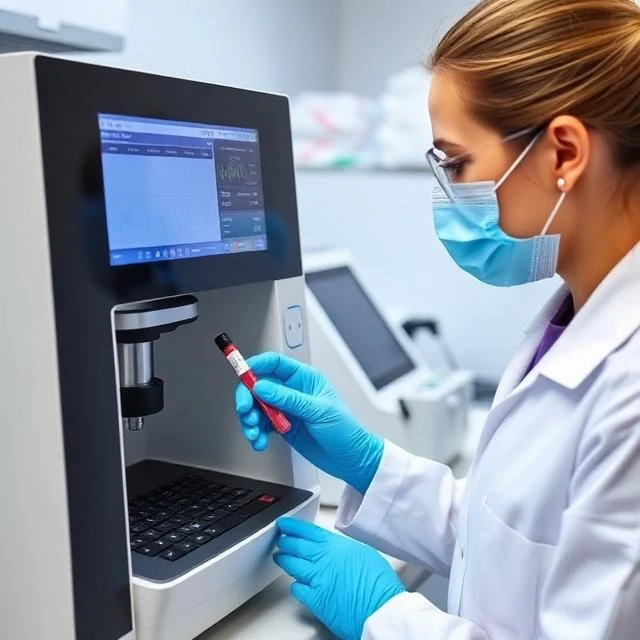
Medicine begins with a diagnosis. Before treatment, you need to know what is wrong. Diagnostics are the tests and tools that identify diseases and health conditions. They range from a simple blood pressure cuff to a next-generation sequencing panel. They are the eyes of medicine, and they determine the course of care.
Diagnostics come in many forms. In vitro diagnostics test samples like blood, urine, or tissue outside the body. Imaging diagnostics, like X-rays, CT scans, and MRIs, look inside the body. Molecular diagnostics detect DNA, RNA, or proteins associated with disease. Point-of-care diagnostics bring testing to the patient's bedside or a clinic, with results in minutes. Each has a role.
Accurate diagnostics save lives. A rapid HIV test can start treatment early. A blood culture can identify the bacteria causing sepsis and guide antibiotic choice. A mammogram can catch breast cancer before it spreads. But diagnostics can also fail. False positives cause unnecessary anxiety and treatment. False negatives delay care and allow disease to progress. Sensitivity and specificity matter.
Diagnostics are a growing field. The COVID-19 pandemic showed how quickly tests can be developed and deployed. It also showed the importance of access and accuracy. The future of medicine depends on knowing what is wrong before treating it.
Comments (2)
Leave a comment