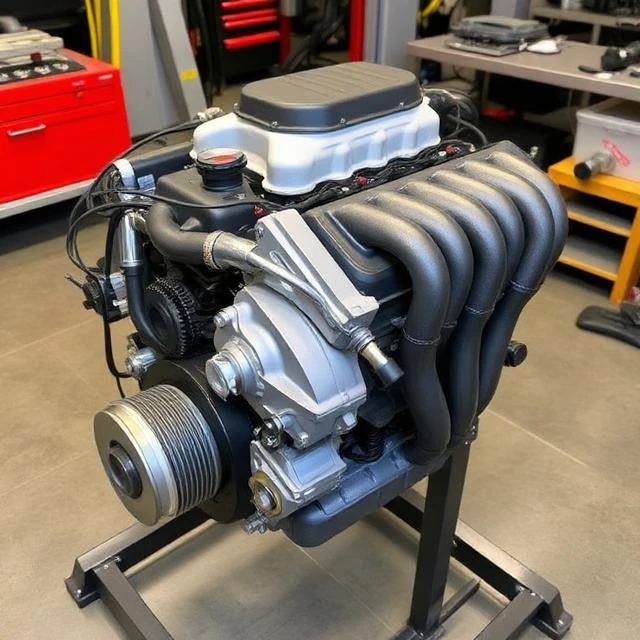
An engine converts fuel or electricity into mechanical power. In most cars, that means an internal combustion engine, which burns gasoline or diesel to push pistons, turn a crankshaft, and spin the wheels. In electric vehicles, an electric motor does the job with no combustion at all. Both are engines in the broad sense, but the term usually refers to the combustion type.
The four-stroke cycle is the standard. The piston moves down and draws in air and fuel. It moves up and compresses the mixture. A spark plug ignites it, and the expanding gases push the piston down. The piston moves up again and pushes out the exhaust. Then the cycle repeats. Hundreds or thousands of times per minute.
Engines have many parts: cylinders, pistons, valves, a crankshaft, a camshaft, and a timing system that keeps everything synchronized. Modern engines add turbochargers, variable valve timing, and direct injection to improve power and efficiency. Computer controls manage fuel, spark, and emissions in real time.
The engine is the heart of a conventional car. It determines performance, fuel economy, and character. A V8 sounds different from a turbocharged four-cylinder. A diesel clatters. An electric motor whirs. Each has its own personality.
Comments
No comments yet. Be the first to share a thought.
Leave a comment