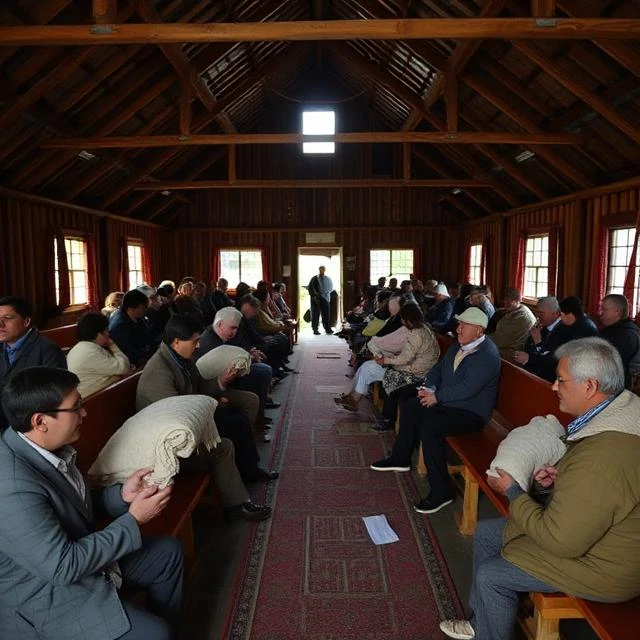
The potlatch is a ceremonial gift-giving feast practiced by Indigenous peoples of the Northwest Coast of North America. Hosts invite guests from neighboring communities, feed them, entertain them, and give away vast quantities of goods: blankets, canoes, coppers, food, and later cash. The more a host gives, the greater his prestige. The potlatch is not a party. It is a legal and political event that validates titles, settles debts, and marks life transitions.
In the late 19th century, the Canadian and U.S. governments banned the potlatch, viewing it as wasteful and incompatible with settler economics. The ban was enforced unevenly, and many communities continued the practice in secret. It was not fully legalized in Canada until 1951. Since then, potlatches have revived and expanded, serving as a central institution of cultural identity and political assertion.
What a potlatch does
- Validates hereditary titles and rights.
- Witnesses marriages, funerals, and namings.
- Redistributes wealth across communities.
- Creates obligations between hosts and guests.
The potlatch turns wealth into status by giving it away. It is an economy of generosity, not accumulation.
Comments
No comments yet. Be the first to share a thought.
Leave a comment