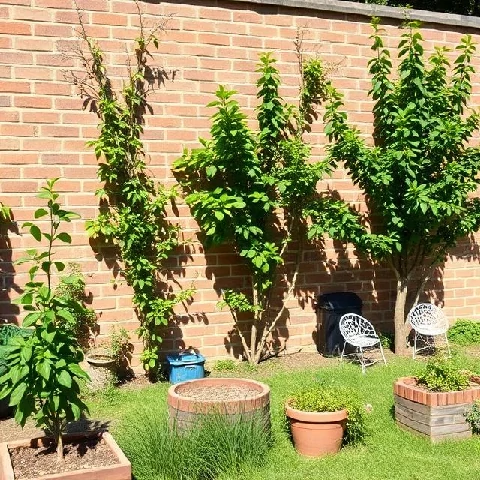
A microclimate is the climate of a small area, distinct from the surrounding region. A south-facing wall, a frost pocket at the bottom of a slope, a vineyard row next to a lake, or a city rooftop all have their own conditions.
Growers use microclimates deliberately. In cool regions, a south wall can carry figs or peaches that would die in the open field. In hot ones, a north slope or a shading tree can protect lettuce from bolting. Vineyards are famously site-specific: the difference between two adjacent parcels can show up in the wine.
What creates a microclimate
- Topography: slopes drain cold air, hollows collect it
- Water: lakes and rivers moderate temperature
- Structures: walls, hedges, and buildings block wind and reflect heat
- Ground cover: bare soil warms faster than mulched or vegetated soil
Frost is the classic microclimate problem. Cold air slides downhill like water and pools in low spots, which is why orchardists plant on slopes and avoid hollows. A thermometer at the farmhouse may read several degrees warmer than one at the bottom of the field.
Comments
No comments yet. Be the first to share a thought.
Leave a comment