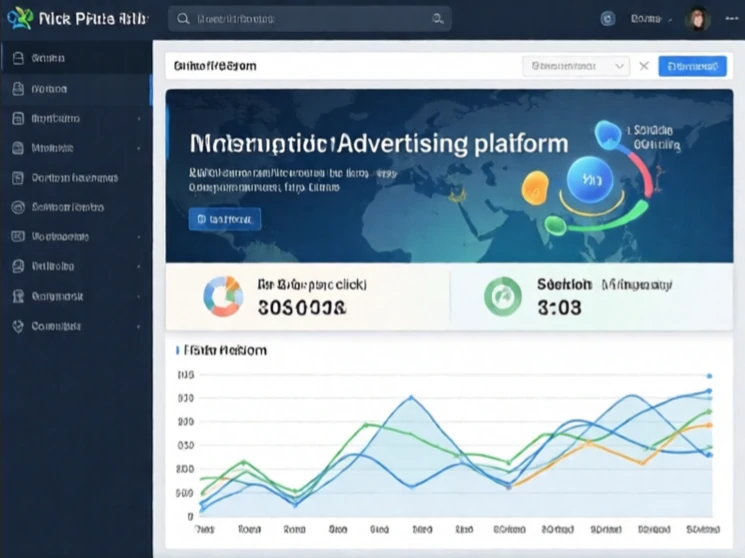
Advertisers can pay only when someone clicks their ad. Pay-per-click, or PPC, is that pricing model. Search engines and many social and display platforms offer it. The advertiser bids on keywords or audience segments; the ad is shown when relevant; a click triggers a charge. The cost per click depends on competition and quality factors.
PPC allows precise targeting and immediate traffic. Campaigns can be started, paused, and adjusted quickly. Success is measured by click-through rate, conversion rate, and return on ad spend. Because payment is tied to clicks rather than impressions, the model aligns cost more closely with potential value, though click fraud and low-quality traffic remain concerns.
Managing PPC effectively requires continuous testing of keywords, ad copy, landing pages, and bids. Automated bidding strategies and machine-learning tools have changed the day-to-day work, yet the underlying principles of relevance and economic return remain the same. For many digital marketers PPC is a core channel for both acquisition and retargeting.
Comments
No comments yet. Be the first to share a thought.
Leave a comment