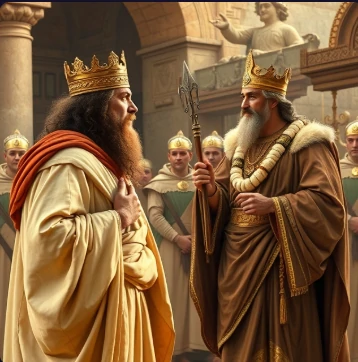
A community recognizes certain individuals as authorized messengers of the divine will. Those individuals are prophets. They speak with a authority that claims to transcend ordinary political or priestly power.
Classical prophets in Israel confronted kings, interpreted historical crises, and kept alive the demands of the covenant. Other religions honor founding or reforming prophets. The prophetic vocation often involves personal cost, including rejection and suffering. Criteria for recognition include fidelity to prior revelation and the fruit of the message.
Prophets can be writing figures whose words are preserved, or oral figures known through tradition. Their legacy shapes ethics, politics, and hope. Contemporary religious life still appeals to prophetic witness when challenging complacency or injustice.
A prophet’s authority rests on the claim to have stood in the divine council.
Comments
No comments yet. Be the first to share a thought.
Leave a comment