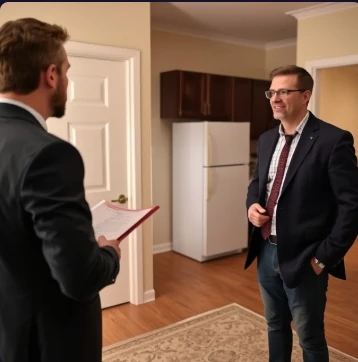
An owner hires a company to find tenants, collect rent, handle repairs, and enforce the lease. That service is property management. It allows owners to invest in real estate without handling day-to-day operations.
Managers screen applicants, prepare lease documents, coordinate maintenance, pay operating expenses from rent receipts, and provide regular accounting. Fees are commonly a percentage of collected rent plus leasing commissions. Good management preserves property condition and tenant satisfaction; poor management creates vacancies and deferred repairs.
Licensing requirements for property managers vary by state. Owners remain ultimately responsible for major decisions and legal compliance. Clear management agreements spell out authority, reporting, and termination rights. For many investors, professional management is what makes scaling a portfolio possible.
- Day-to-day operation of rental properties for owners
- Includes leasing, maintenance, and accounting
- Typically compensated by a percentage of rent
- Enables passive or semi-passive ownership
Comments (2)
Leave a comment