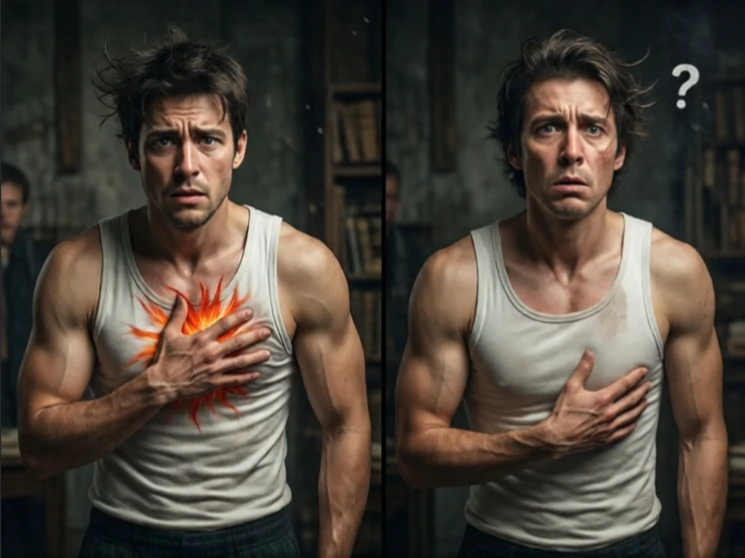
The James-Lange theory of emotion holds that the experience of emotion is the awareness of physiological responses to an emotion-arousing stimulus. We feel afraid because we tremble; we feel sad because we cry.
William James and Carl Lange independently proposed the idea in the late nineteenth century. It reversed the common-sense sequence in which feeling comes first and bodily expression follows. According to the theory, different emotions are associated with different patterns of bodily change, and the perception of those changes constitutes the emotion. Without the bodily feedback, the theory implies, emotional experience would be pale or absent.
Critics, including Walter Cannon, argued that bodily changes are too similar across emotions and too slow to account for the rapidity of feeling. Later research has shown that feedback from the body does influence emotional experience—facial feedback and interoceptive awareness both matter—yet cognition and appraisal also play major roles. Contemporary theories often treat the James-Lange insight as one component of a more complex process.
The theory’s lasting contribution is the claim that the body is not merely the stage on which emotion is displayed; it is part of the emotion itself.
Comments
No comments yet. Be the first to share a thought.
Leave a comment