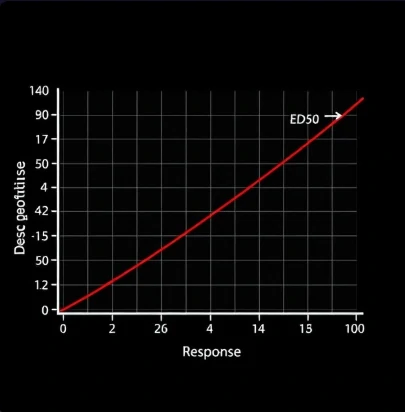
Potency is the amount of drug needed to produce a given effect. A highly potent drug produces its effect at a low dose. A less potent drug requires more. Potency is not the same as efficacy, which is the maximum effect a drug can produce. A drug can be potent but have low efficacy, or less potent but highly efficacious. Morphine is more potent than codeine, meaning a smaller dose produces the same pain relief. But both can achieve similar maximum effects at higher doses.
Potency is determined by the drug's affinity for its receptor and its ability to activate it. A drug with high affinity binds tightly to the receptor, so less drug is needed to occupy a sufficient number of receptors. Potency is expressed as the dose or concentration that produces 50 percent of the maximum effect, known as the ED50 or EC50. In clinical practice, potency determines the size of the pill or the volume of an injection. A more potent drug allows a smaller tablet, which can be easier to swallow.
Key distinctions:
- Potency. The amount of drug needed for an effect.
- Efficacy. The maximum effect a drug can produce.
- ED50. The dose producing 50 percent of the maximum effect.
- Affinity. How tightly a drug binds to its receptor.
A drug can be highly potent and highly efficacious, or potent with low efficacy, or any combination. Potency is about dose; efficacy is about effect.
Comments
No comments yet. Be the first to share a thought.
Leave a comment