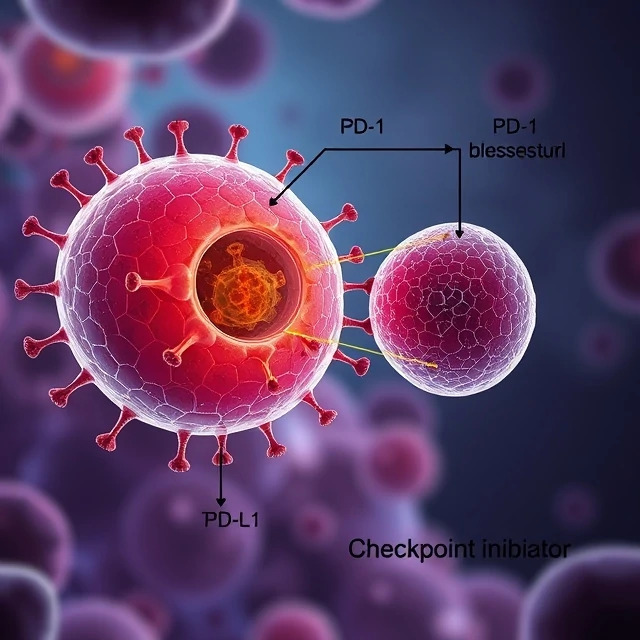
Cancer cells are not foreign invaders. They are the body's own cells gone wrong, which is why the immune system often ignores them. Immunotherapy changes that. It trains or unleashes the immune system to recognize and attack cancer, and in some patients it produces remissions that last for years. The approach has transformed the treatment of melanoma, lung cancer, and several blood cancers.
Several strategies exist. Checkpoint inhibitors block proteins like PD-1 and CTLA-4 that cancer cells use to switch off immune attacks. CAR-T therapy engineers a patient's T cells to recognize a specific cancer marker, then infuses them back. Monoclonal antibodies can mark cancer cells for destruction or deliver drugs directly to them. Cancer vaccines expose the immune system to tumor antigens. Cytokines like interleukin-2 boost immune activity but cause severe side effects. Each approach has its own profile of benefits and risks.
What to know:
- Not universal. Response rates vary by cancer type and patient.
- Durable responses. Some patients remain in remission for years.
- Side effects. Immune-related adverse events can affect the gut, skin, liver, and endocrine organs.
- Cost. CAR-T and checkpoint inhibitors are expensive.
Combining immunotherapy with chemotherapy or radiation is an active area of research. The goal is to make more tumors responsive.
Comments
No comments yet. Be the first to share a thought.
Leave a comment