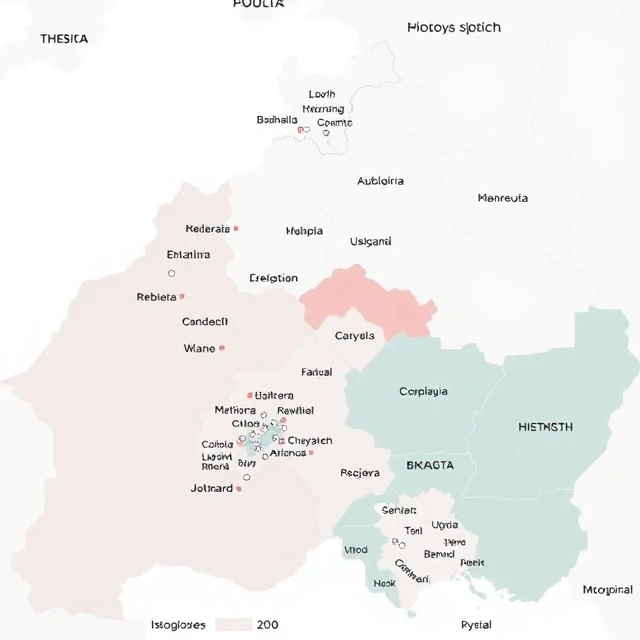
Language is never uniform. A dialect is a variety of a language that is characteristic of a particular region or social group. It includes distinctive vocabulary, pronunciation, and sometimes grammatical patterns. Speakers of different dialects of the same language can usually understand one another, though the differences may be immediately noticeable.
Dialects develop through geographic isolation, social separation, and historical settlement patterns. They are not inferior versions of a standard language; they are systematic varieties with their own rules. The notion of a “standard” dialect is largely a social and political construct rather than a linguistic one. In literature, dialect can convey authenticity, social position, or regional identity when handled with care and accuracy.
Attitudes toward dialects often reflect broader social hierarchies. Some varieties are prestigious; others are stigmatized. Linguists document dialects to preserve linguistic diversity and to understand how language changes. For everyday speakers, dialect is simply the form of the language they grew up with—the natural vehicle for thought and social connection within their community.
Comments
No comments yet. Be the first to share a thought.
Leave a comment