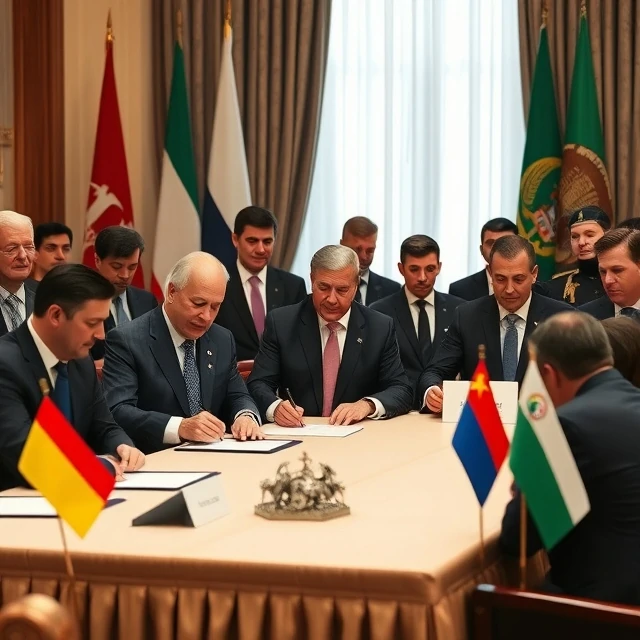
States rarely stand alone when threats loom. An alliance is a formal agreement between two or more parties to cooperate for shared security or advantage. Treaties usually specify mutual defense, consultation, or economic support.
Alliances have shaped wars and peacetimes alike. The Triple Entente and Central Powers framed the opposing sides in 1914. NATO later bound North American and European states in a collective defense pact. Alliances can deter aggression, yet they also risk drawing members into conflicts they might otherwise avoid.
Historians examine the text of treaties, the private correspondence of leaders, and the military planning that followed. Some alliances prove durable; others collapse when interests diverge. The balance of power in any era often rests on the web of alliances that states choose to weave or abandon.
- Formal agreement for mutual cooperation
- Commonly focused on defense or security
- Can deter or escalate conflict
- Studied through treaties and diplomatic records
Comments
No comments yet. Be the first to share a thought.
Leave a comment