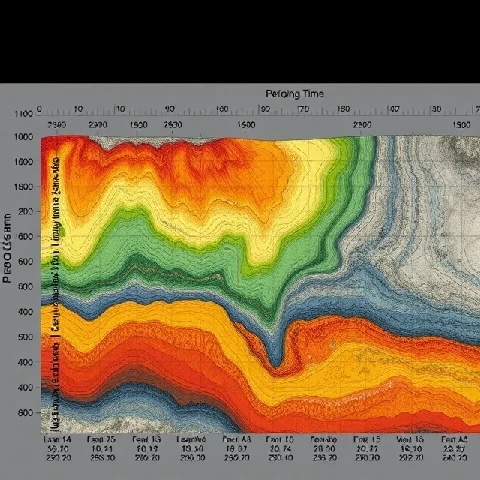
Within eras, the next familiar division is the period. A period typically lasts tens of millions of years and is itself divided into epochs. Familiar names such as Jurassic, Cretaceous, and Cambrian are periods.
Periods were originally defined by distinctive assemblages of fossils. Many still carry the names of the regions where they were first studied. Absolute ages assigned by radiometric dating have refined their durations and boundaries. Global boundary stratotype sections and points now formalize the bases of most periods.
Each period has a characteristic biota and often a distinctive tectonic or climatic theme. The Cretaceous, for example, saw high sea levels and the rise of flowering plants; the Permian ended with catastrophic extinction. Periods provide convenient chapters for narrating Earth history at an intermediate scale.
- Division of geologic time within an era
- Typically tens of millions of years long
- Defined originally by fossil assemblages
- Subdivided into epochs
Comments
No comments yet. Be the first to share a thought.
Leave a comment