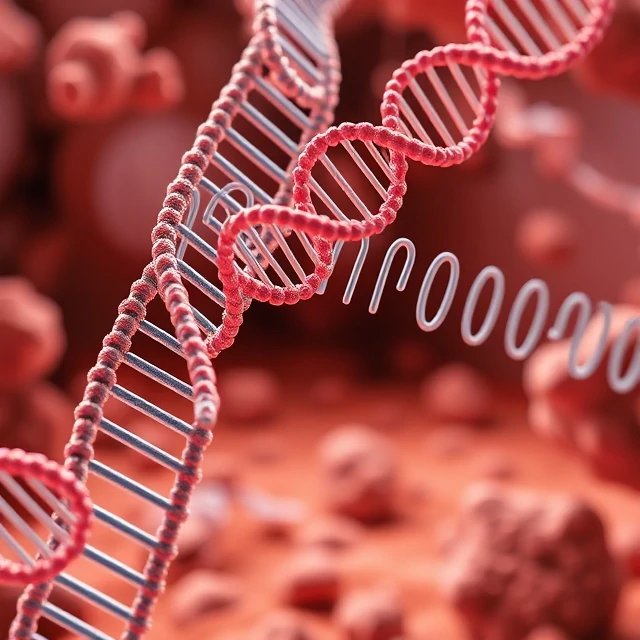
The information in DNA must be copied before it can be used. Transcription is the process in which RNA polymerase reads a DNA template and synthesizes a complementary RNA strand. The resulting transcript may become messenger RNA, ribosomal RNA, transfer RNA, or a regulatory RNA.
In bacteria, transcription and translation can occur almost simultaneously. In eukaryotes, the primary transcript is processed—capped, spliced, and polyadenylated—before export to the cytoplasm. Promoters and transcription factors determine which genes are transcribed and at what rate.
Errors or dysregulation of transcription contribute to many diseases. Researchers measure nascent RNA or steady-state levels to determine which genes are active under particular conditions. The process is the first committed step in gene expression and a major point of cellular control.
- Synthesis of RNA from a DNA template
- Carried out by RNA polymerase
- Produces mRNA and other RNA types
- Tightly regulated by promoters and factors
Comments
No comments yet. Be the first to share a thought.
Leave a comment