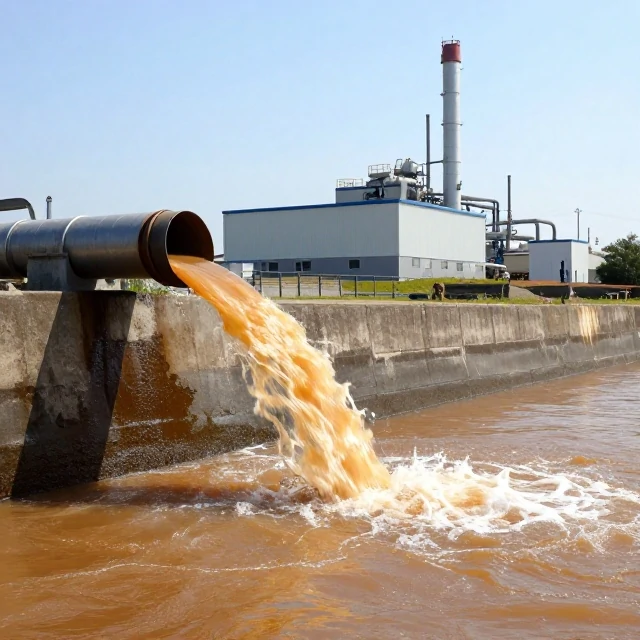
Point source pollution comes from a single, identifiable place. A pipe from a factory. A ditch from a feedlot. A sewage treatment outfall. The source has an address. That makes it easier to regulate, monitor, and enforce than pollution that arrives from everywhere at once.
The Clean Water Act of 1972 made point source pollution the centerpiece of federal water regulation. Anyone discharging pollutants from a point source into navigable waters needs a permit. The permit sets limits on what can be released and requires monitoring. The system has dramatically improved water quality in many rivers and lakes, though enforcement varies and aging infrastructure still leaks.
Examples of point sources
- Industrial discharge pipes.
- Municipal wastewater treatment plants.
- Combined sewer overflows during heavy rain.
- Concentrated animal feeding operations.
- Stormwater discharges from large construction sites.
The point source framework works because it is concrete. You can sample the water at the end of the pipe. You can trace contamination back to a specific facility. You can fine the operator. The weakness is that many of the worst water quality problems come from nonpoint sources that the permit system does not reach. Regulation of point sources is a success story, but it is only part of the picture.
Comments
No comments yet. Be the first to share a thought.
Leave a comment