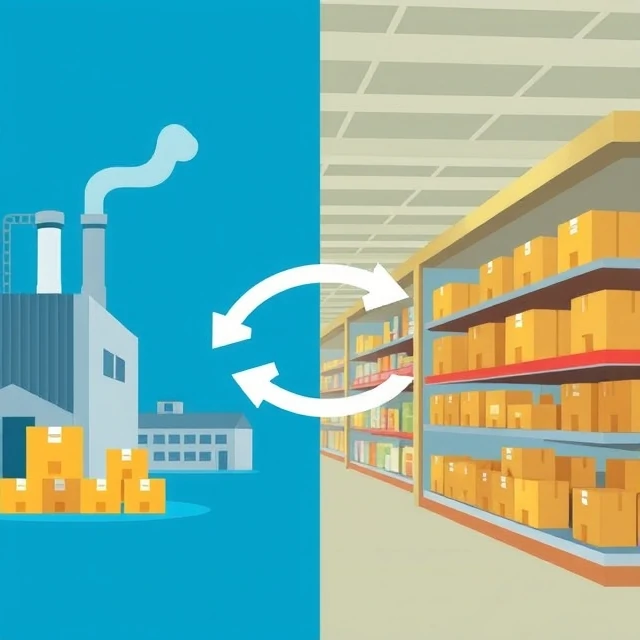
Balance of trade measures the gap between what a country sells abroad and what it buys from other countries. Exports minus imports. If a country exports more than it imports, it runs a trade surplus. If it imports more, it runs a deficit. The number is reported monthly and quarterly, and it moves markets.
A deficit is not automatically bad. The United States has run trade deficits for decades while growing its economy. A surplus is not automatically good. Germany and China run surpluses, but so do countries with weak domestic demand. Context matters: currency values, savings rates, and global supply chains all shape the balance.
Politicians often use the trade balance as a scorecard. Economists usually push back. Bilateral trade balances, in particular, can be misleading because components cross borders multiple times. A phone assembled in China may contain parts from Japan, South Korea, and the US. The final export figure credits China, but the value is shared.
Key terms
- Exports: goods and services sold abroad
- Imports: goods and services bought from abroad
- Trade surplus: exports exceed imports
- Trade deficit: imports exceed exports
Comments
No comments yet. Be the first to share a thought.
Leave a comment