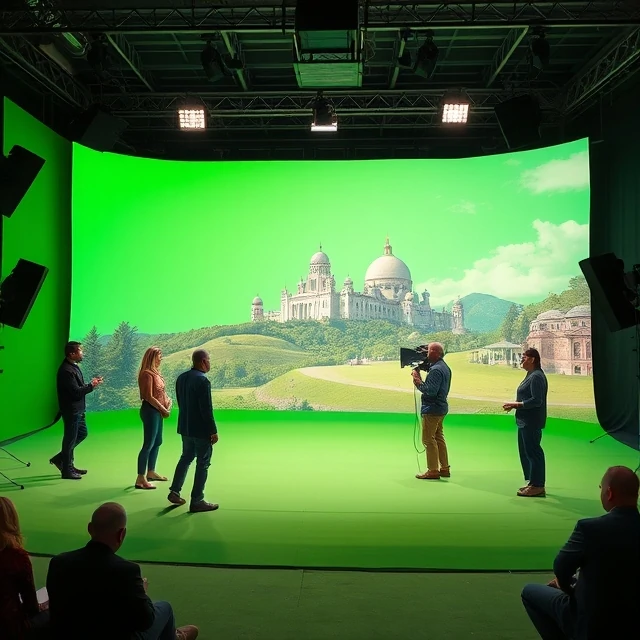
In 1973, a computer animated a hand in Westworld. In 1993, it animated dinosaurs in Jurassic Park. In 1995, it animated an entire feature film in Toy Story. Computer-generated imagery, or CGI, has transformed cinema. It creates images entirely with software, from characters to environments to effects that would be impossible, dangerous, or expensive to shoot practically. It is now used in almost every film, often in ways the audience never notices.
CGI covers a wide range. It creates photorealistic creatures, like the dinosaurs in Jurassic Park or the Na'vi in Avatar. It creates digital environments, like the cities in Blade Runner 2049. It creates effects, like explosions, fire, and water. It removes unwanted objects, like wires, rigs, and modern buildings in period films. It de-ages actors, resurrects dead ones, and creates digital doubles for stunts. It is a tool of infinite possibility and infinite expense.
CGI is not a substitute for storytelling. A film with stunning effects but a weak script still fails. The best CGI serves the story. It creates a world that feels real enough to believe in. It disappears into the film. When it does not, it becomes a distraction. The uncanny valley, where a digital human looks almost but not quite real, is a persistent challenge. The technology keeps improving. The judgment about when to use it does not.
Comments
No comments yet. Be the first to share a thought.
Leave a comment