Every headlight does one job: throw light far enough down the road that a driver can react. The earliest versions were acetylene lamps bolted to horse carriages. Electric bulbs arrived around 1912, and sealed-beam units dominated American cars from 1940 until the 1980s, when composite housings and replaceable halogen bulbs took over.
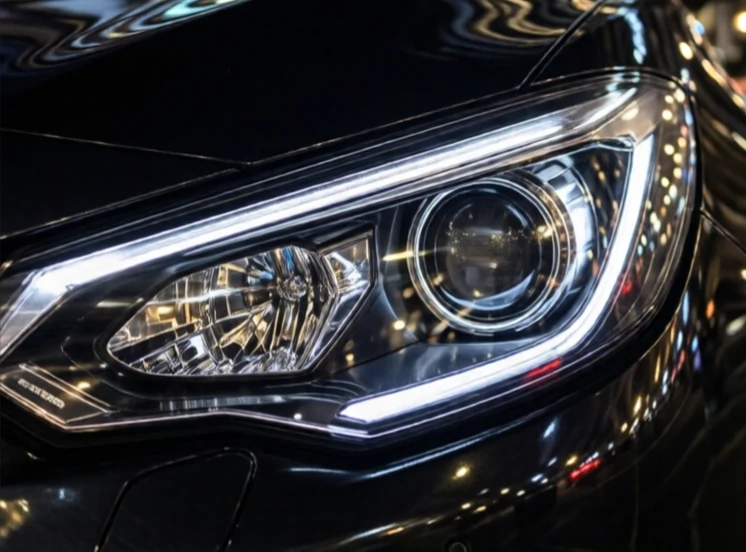
Modern headlights are engineered systems, not just lamps. Reflectors and projector lenses shape the beam pattern so it illuminates the road without blinding oncoming traffic. Halogen, xenon HID, and LED sources each produce different color temperatures and lifespans. Matrix LED and adaptive systems now steer light around vehicles ahead.
Common headlight types
- Halogen: cheap, warm yellow light, short lifespan.
- Xenon HID: bright white arc light, needs a ballast.
- LED: efficient, long-lasting, instant on.
- Laser: high-beam only, very long range, expensive.
Regulations differ sharply. Europe allows advanced adaptive beams that the United States only recently permitted. A burned-out headlight is a safety defect in most jurisdictions, and misaligned beams fail inspection in many places.
Comments
No comments yet. Be the first to share a thought.
Leave a comment