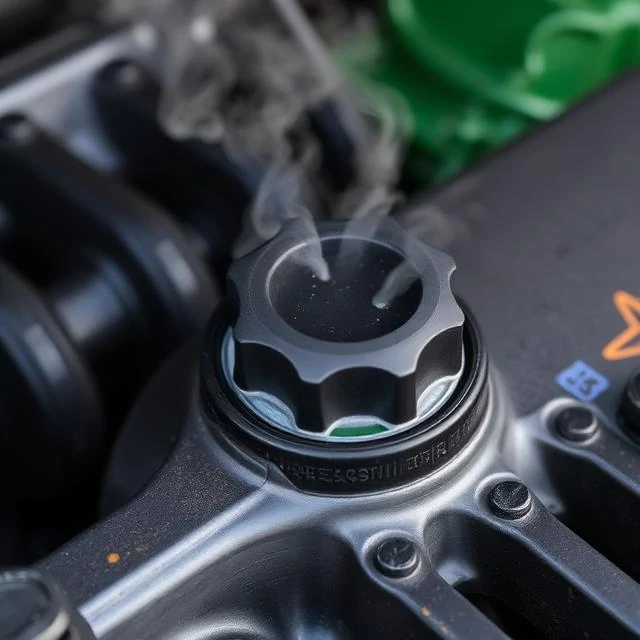
An engine produces a lot of heat. Without a way to manage it, the metal would warp, the oil would break down, and the engine would seize. Coolant, also called antifreeze, circulates through the engine to absorb that heat and carry it to the radiator, where it dissipates into the air.
Coolant is not just water. Water alone freezes at 0 degrees Celsius and boils at 100, which is not good enough for an engine that runs at 90 to 105 degrees. Antifreeze, usually ethylene glycol or propylene glycol, lowers the freezing point and raises the boiling point. Additives prevent corrosion, lubricate the water pump, and stop scale from building up. The mix is typically 50 percent antifreeze and 50 percent water.
Coolant comes in different colors, and the colors matter. Green is traditional. Orange is Dex-Cool, used by GM. Pink and blue are used by other manufacturers. The chemistry differs, and mixing them can cause sludge. Always use the type specified in your owner's manual.
Coolant degrades over time. The additives wear out, and the fluid becomes acidic. Most manufacturers recommend a flush every 30,000 to 100,000 miles, depending on the type. A cooling system leak can cause overheating, which can destroy an engine in minutes.
Comments
No comments yet. Be the first to share a thought.
Leave a comment