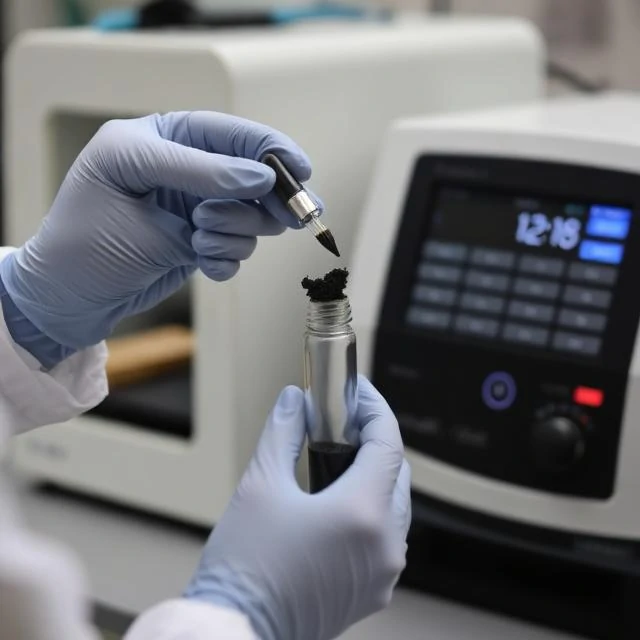
Radiocarbon dating measures the decay of carbon-14 to determine the age of organic remains. Living things absorb carbon from the atmosphere, including a tiny amount of radioactive carbon-14. When they die, that carbon begins to decay at a known rate. By measuring how much remains, scientists can calculate how long ago the organism died. Willard Libby developed the method in the late 1940s and won a Nobel Prize for it in 1960.
The technique works on materials up to about 50,000 years old. Bone, wood, charcoal, shell, and peat are common samples. Contamination is a constant problem. A single fingerprint or a drop of preservative can skew results. Calibration is also necessary because atmospheric carbon-14 levels have varied over time. Tree-ring sequences and other data are used to correct raw dates.
What it can and cannot do
- Dates organic materials, not stone or metal.
- Effective up to roughly 50,000 years.
- Requires calibration against known standards.
- Contamination is a major source of error.
Radiocarbon dating transformed archaeology. It turned relative sequences into absolute chronologies and forced researchers to abandon many earlier assumptions about the pace of prehistory.
Comments
No comments yet. Be the first to share a thought.
Leave a comment