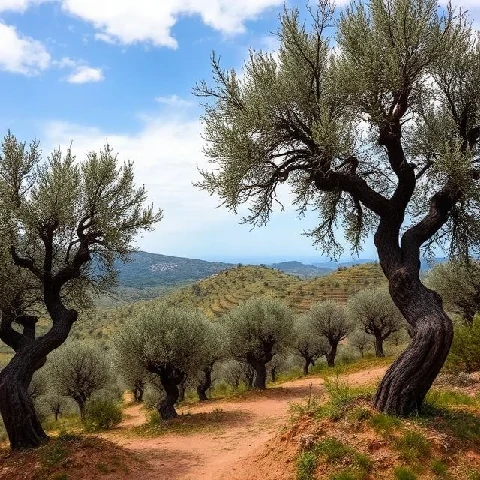
A grove is a small stand of trees, usually planted and tended rather than wild. The word carries a quiet, almost sacred weight in many cultures. Greeks and Romans set aside groves for worship. In West Africa, sacred groves still protect springs and ancestral sites.
In agriculture, a grove usually means a managed block of one species: olives in Puglia, oranges in Florida, pecans in Georgia, almonds in California. Some Mediterranean olive groves have been worked by the same families for centuries, the trees gnarled and hollow but still fruiting.
What sets a grove apart
- Smaller than an orchard block, often just a few dozen trees
- Usually a single species, planted for fruit, nuts, or oil
- Often on land too rough for row crops
- Managed by pruning, irrigation, and ground-cover control
Grove trees take years to pay back the cost of planting. That long horizon shapes everything: variety choice, spacing, and how much a grower is willing to invest in irrigation before the first harvest.
Comments
No comments yet. Be the first to share a thought.
Leave a comment